Knowing the main water shut off valve location in your Sarasota home is the difference between a soaked towel cabinet and a soaked house. When a supply line lets go, water keeps coming until someone closes that valve. Finding it on a calm afternoon is a small task with an outsized payoff.
Why Every Adult Needs to Know This
Emergencies do not check schedules. A burst supply line in the middle of the night, or while the family is away, does plenty of damage in the time it takes one person to drive home and look up a tutorial. Every adult in the household should be able to walk to the valve and close it without searching, and children old enough to answer a phone should know where it sits too.
Teaching the main water shut off valve location to everyone under your roof takes minutes, and the payoff lasts for years. Practice once a year the way you would practice a fire drill: point to it, operate it, and confirm it still turns freely. A valve that has not moved in years may be frozen exactly when you need it most.
Renters and guests deserve the same walkthrough. Anyone staying in the home through storm season, from house sitters to visiting relatives, should hear the short version: where the valve sits, which way to turn it, and who to call if it will not move. Two minutes of showing beats an hour of searching in the dark.
Where Florida Homes Usually Put It
Builders in this region follow a few familiar patterns, so start your search here:
- Garage wall near the water heater: in many Florida homes the service line enters through the garage, and the main valve sits on that wall close by.
- Exterior wall where the service line enters: check the side of the house facing the street or the meter, often near a hose bib, for a valve on the pipe emerging from the slab or wall.
- Laundry or utility area: some layouts bring the main in near the washer connections, with the valve close to those hookups.
- Curb or meter side: every property also has a utility-side stop near the water meter, which is the last resort for stopping flow.
Follow the pipe rather than the wall. The main valve almost always sits on the cold water line shortly after it enters the structure, so trace the pipe from where it penetrates the slab and you will usually find it within a few feet. Slab homes occasionally hide the valve behind an access panel or a coat of paint, so bring a flashlight on the search.
Gate Valve or Ball Valve?
Identification matters because the two types behave differently. A gate valve has a round handle that turns through several rotations to raise or lower an internal gate, a design common in older homes. Ball valves use a straight lever that quarter-turns, aligned with the pipe for open and crosswise for closed, and they are the standard on newer plumbing.
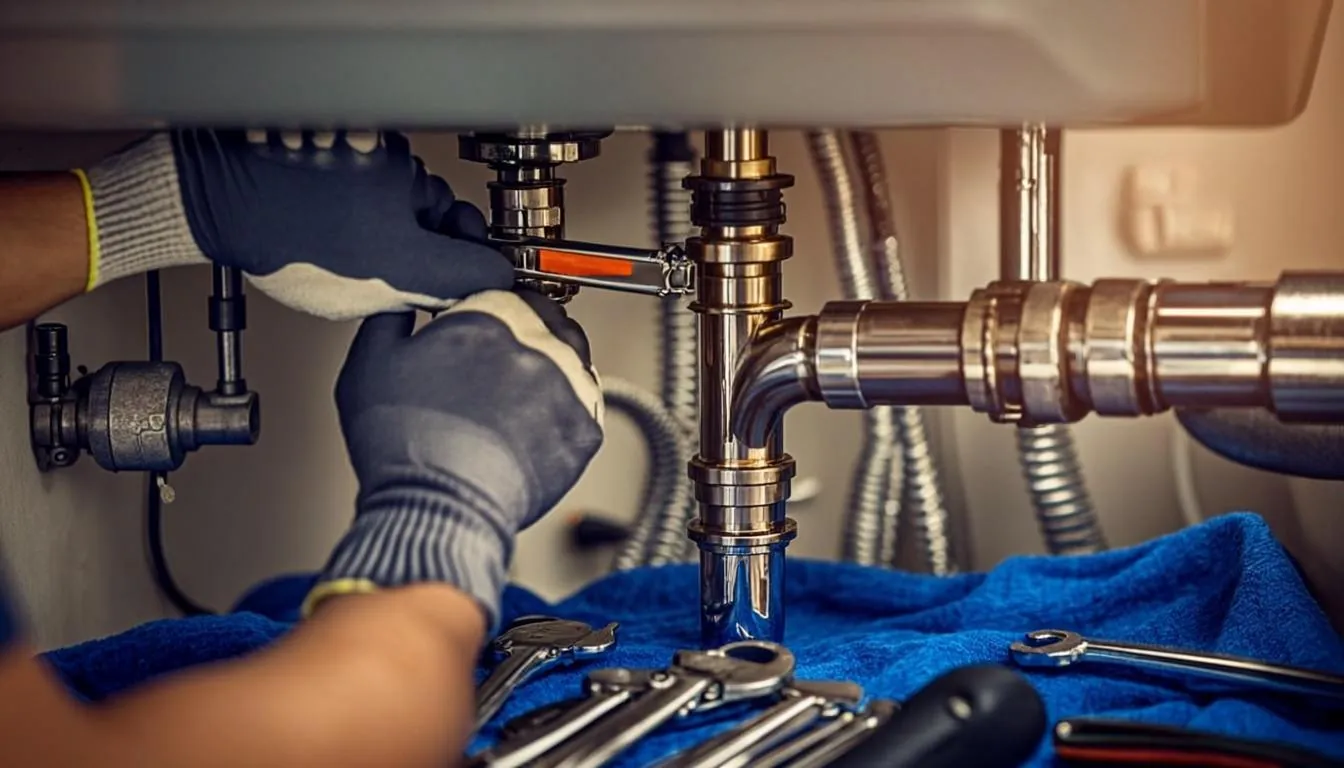
Ball valves seal reliably after long idle stretches, which is one reason plumbers favor them. Gate valves are more prone to seizing, or to failing to seal fully after years without exercise, which makes the testing habit below even more important if yours is a gate.
Test It Gently, Never Force It
Testing is a simple routine with one strict rule: gentle pressure only. Turn the handle until it stops naturally, then watch a faucet to confirm the flow actually stopped. If a gate valve refuses to budge under firm hand pressure, stop. Forcing a corroded stem can snap it, and a valve that breaks mid-emergency leaves the water running while you improvise.
If the valve turns but the flow barely changes, the internal gate or ball may have corroded past the point of sealing. That is a replace-it situation, and it is far better to discover during a drill than during a burst hose.
About the Meter and Curb Stop
The utility side of your service includes a stop near the meter, usually under a plastic or concrete lid by the street. It belongs to the water utility, and operating it is a last resort, such as when the house-side valve fails or cannot be reached. Close it slowly if you must, and leave any meter disassembly to the utility.
Checking the meter doubles as a leak test. With every fixture and irrigation zone off, watch the low-flow indicator for movement. Movement with nothing running means water is escaping somewhere between the meter and your fixtures.
When to Call a Professional in Sarasota
If you cannot find the valve, cannot close it, or discover that it will not seal, bring in help before an emergency forces the issue. Our water leak repair team in Sarasota can locate the main shut-off, replace a failed valve, or add one where none exists, then repair whatever the leak found first. Damaged service lines between the meter and the house fall under our water line repair service. Call (941) 337-1250 with questions or to schedule a visit.
Related Services
Whatever the visit confirms, these pages hold the next step: