The most common slow drain causes in Sarasota homes sit in three places: the fixture drain right behind the plumbing, the P-trap beneath it, and the branch drain that carries everything toward the sewer. Knowing which of the three is acting up tells you whether this is a quick fix or a pipe defect worth investigating. Guessing wrong is how the same drain ends up snaked again and again while the real fault goes untouched.
Three Places a Drain Slows Down
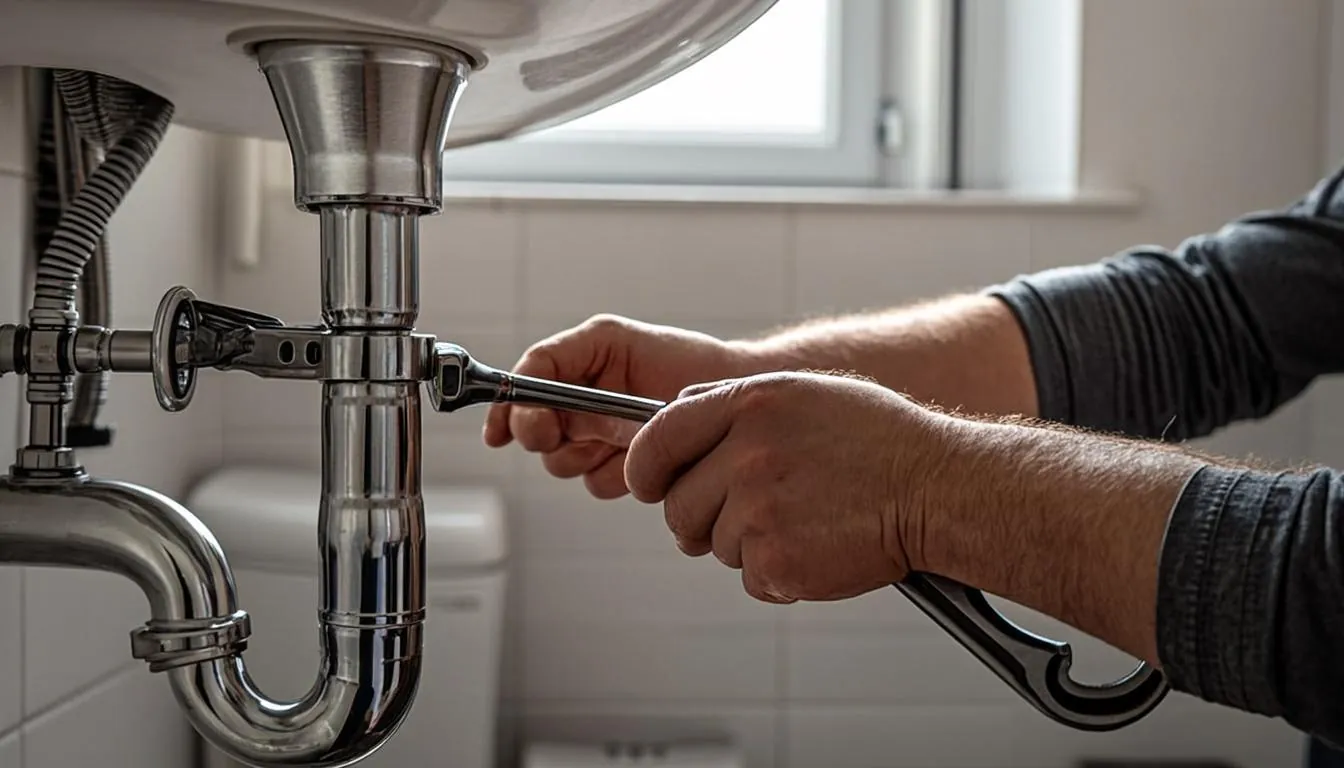
Water leaving a fixture passes through a series of pipe sections, and each one fails in its own way. The fixture drain is the short run immediately downstream of the sink, tub, or shower, and it collects the hair, soap film, and food scraps that clog fastest. Below that sits the P-trap, the U-shaped section that holds water to block sewer gas, and its tight bends make it the classic catching point for debris.
The branch drain is the larger pipe behind the wall that collects several fixtures and carries them toward the main line. When trouble sits there, more than one fixture usually shows symptoms at the same time. That is the first dividing line in any diagnosis: one fixture points local, several fixtures point downstream, and several fixtures across different rooms point all the way out.
Buildup: The Slow Kind of Clog
Most recurring slow drains are not caused by a single object. They are caused by layers. Grease from the kitchen congeals on pipe walls, soap scum and shampoo residue coat bathroom lines, and mineral scale narrows the opening a little more each year. Flow slows by degrees until one clump of hair or one handful of rice finds the narrowed spot and finishes the job.
Buildup responds well to mechanical cleaning because the pipe underneath is still smooth and structurally sound. Cleared properly, the drain runs like new. Clear it carelessly, leaving a partial punch-through or a shelf of grease behind, and the slowdown returns on schedule.
Kitchen lines suffer most, because grease goes down warm and liquid, then hardens against cool pipe walls somewhere past the trap. Bathroom lines collect the slower film: soap, shampoo, skin cells, and hair braided together at every rough spot. Laundry drains contribute lint that mats like felt across the branch.
Corrosion Changes the Conversation
Older metal pipe fails differently. Decades of water flow roughen the interior of galvanized or cast iron lines, and the walls grow scale that flakes, ridges, and traps debris in pockets a cable cannot smooth out. Corrosion also sheds particles that settle at low points, creating obstructions that reform no matter how many times they are cleared.
The practical difference matters. Buildup sits on a sound pipe, while corrosion is the pipe itself deteriorating. Cleaning the first is maintenance; cleaning the second is buying time. The camera is what tells you which situation you are in, and it does so before anyone opens a wall or digs up a yard.
When a Clog Keeps Coming Back
Repetition is information. A drain that clogs in the same place, on a predictable rhythm, is describing a defect rather than bad luck: a sag that holds water and debris, a ledge of scale, a misaligned joint that snags material, or roots threading through a cracked fitting. Snaking restores flow each time without touching the reason the flow slows down, which is why recurring slow drain causes in Sarasota homes deserve a camera look rather than another cable run.
A good rule of thumb: if the same drain needs clearing more than once or twice a year, stop scheduling snake runs and look at the pipe. Repeated obstruction is not a streak of misfortune. It is the pipe reporting a structural problem a cable cannot correct.
Snake Again, or Look Inside?
Certain signs justify a camera inspection rather than another clearing attempt:
- The same fixture or branch slows down repeatedly despite proper clearing.
- More than one fixture gurgles or backs up at the same time.
- Each clearing holds for only a few weeks before the slowdown returns.
- The home still runs on its original older metal drain lines.
- Gurgling reaches fixtures far from the one being used.
A camera run answers the question a snake cannot: what does the inside of the pipe actually look like? Footage separates a serviceable line that needs cleaning from a line with a defect that will keep producing clogs. From there, the repair conversation is about facts instead of patterns, and the fix targets the defect rather than the symptom.
When to Call a Professional in Sarasota
If slow drain causes in your Sarasota home keep pointing back to the same fixture, stop renting cable and get a look at the pipe. Our drain and pipe repair team in Sarasota clears the blockage, inspects the line, and repairs the defect that keeps producing the clog, from P-traps to branch drains. Call (941) 337-1250 and end the cycle for good.
Related Services
The adjacent services below carry this job forward: