A water leak detection test in Sarasota exists to answer two questions with evidence instead of guesswork: whether a leak is real, and where it actually is. The process is diagnostic, not destructive. Nobody opens a slab on the first visit, and no repair starts until testing is finished and the findings are explained. Think of it as the imaging step before any surgery: locate first, operate once, in the right place.
What a Detection Test Is, and Is Not
Detection is a working visit, not a sales call. The technician arrives with instruments that listen, measure, and narrow a search area while your walls and floors stay closed. Findings get documented as they develop, so the conclusion you receive is a record rather than an opinion.
What it is not matters too. Detection is not demolition scheduling, and it is not a quick glance at the water heater. A proper water leak detection test in Sarasota treats your symptoms as data and works from them outward.
The Diagnostic Sequence, Step by Step
Every credible water leak detection test in Sarasota follows the same broad sequence, whether symptoms point indoors or out:
- Symptom intake. The visit opens with your account: bill spikes, stains, sounds, odors, and when each one started.
- Visual and meter review. Fixtures, the water heater, and the meter get checked to confirm a leak is plausible and still active.
- Isolation. Valves and fixtures are closed off in sequence to learn which part of the plumbing loses pressure.
- Testing. Acoustic listening, thermal imaging, moisture mapping, and pressure testing measure where the system misbehaves.
- Source localization. Readings from several instruments are cross-checked until they agree on one failure point.
- Repair recommendation. You receive the location, the likely cause, and the options for fixing it.
Each step filters out possibilities, so the final answer rests on agreement between independent measurements rather than on a single reading. Notice what the sequence avoids: opening anything. Detection equipment earns its keep precisely because it reads the system from the outside, and every instrument on the truck exists to replace a guess with a measurement.
Isolation: Narrowing the System Down
Guesswork ends at the isolation stage. A home's plumbing divides into zones: hot and cold supply branches, irrigation, pool lines where present, and drains. Closing valves one group at a time and rechecking the meter tells the technician which zone is losing water. A leak that stops when the irrigation master valve closes, for example, sends the search outdoors immediately. Pool and irrigation loops get the same treatment when present, each closed valve eliminating an entire section of the property from suspicion.
Hot versus cold is another useful split. A warm spot on the floor paired with pressure loss only on the hot side points to a hot line, which shortens the survey considerably. Isolation turns one large mystery into a few small, testable questions.
Testing and Source Localization
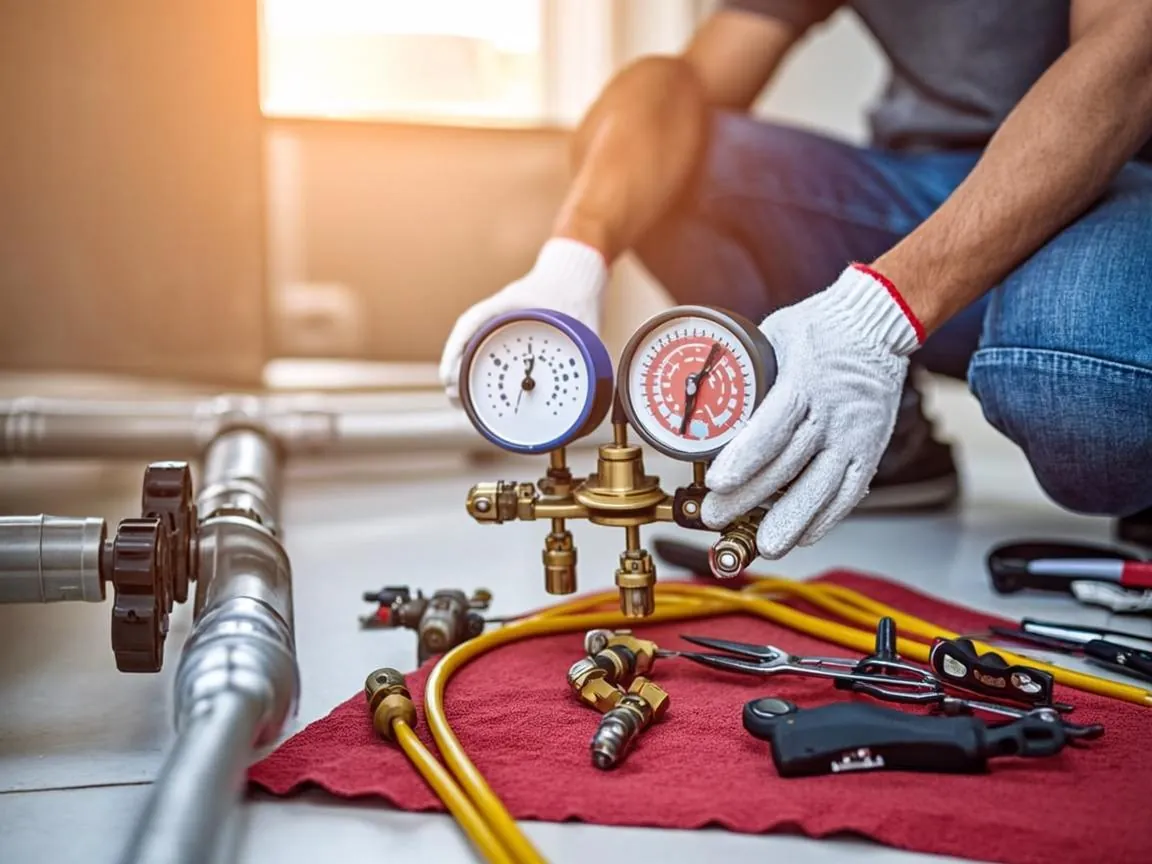
Each instrument contributes one kind of evidence. Acoustic sensors amplify the sound of water escaping a pressurized line, and the loudest point on a wall or floor is rarely far from the failure. Thermal cameras read temperature patterns, which makes hot-line leaks and damp insulation stand out. Moisture meters track how far water has traveled, and pressure testing confirms whether a section holds or bleeds down over time.
Localization happens when these independent readings converge. One instrument can mislead; three that agree rarely do. The technician marks the spot, documents the readings, and explains the pattern before any repair conversation starts.
None of this demands much from your day. Most homeowners stay close while the survey runs, and the technician narrates findings as they appear, so the wrap-up conversation holds no surprises.
What You Receive at the End
The visit should close with findings you can act on, whether or not the repair happens with the same company. Expect a package like this:
- A confirmed diagnosis. Whether a leak exists, which system it sits in, and where it is located.
- Documented evidence. Meter observations, pressure readings, thermal images, or acoustic findings that support the conclusion.
- A plain-language explanation. What failed and why, in terms you can repeat to anyone.
- Repair options. What fixing it would involve, with pricing quoted after the diagnosis rather than before it.
- Photos and location notes. So the repair, whether handled by us or by a plumber you choose, starts at the marked point, and water leak repair can follow on your schedule.
That package matters if you want a second opinion, if insurance documentation is needed, or if you simply prefer to schedule the fix separately. A good test produces a report, not a hunch.
When to Call a Professional in Sarasota
Book a water leak detection test in Sarasota when the meter moves with everything off, when a stain returns after repainting, or when a bill climbs without any change in habits. Sarasota Leaks has spent over two decades turning vague symptoms into located, documented findings for homeowners across the region, with dispatch available 24/7 when a leak turns urgent. The test ends with a clear answer about what is leaking and where; the fix, quoted after diagnosis, follows on your schedule. Call (941) 337-1250 to get the findings first.
Related Services
Whatever the visit confirms, these pages hold the next step: