When topping off the pool becomes a weekly chore, pool leak detection Lakewood Ranch FL is the service that explains why, and it starts by treating the pool as what it is: a sealed system of its own. Pools here carry their own pumps, filters, skimmer lines, return lines, and main drains, and that pipework stands alone from everything else on the property. Pool and irrigation systems are fixtures of many residential developments across a community of this scale, so this diagnostic playbook gets steady use. It begins at the pool's water level, not at a shovel.
The Bucket Test Comes First
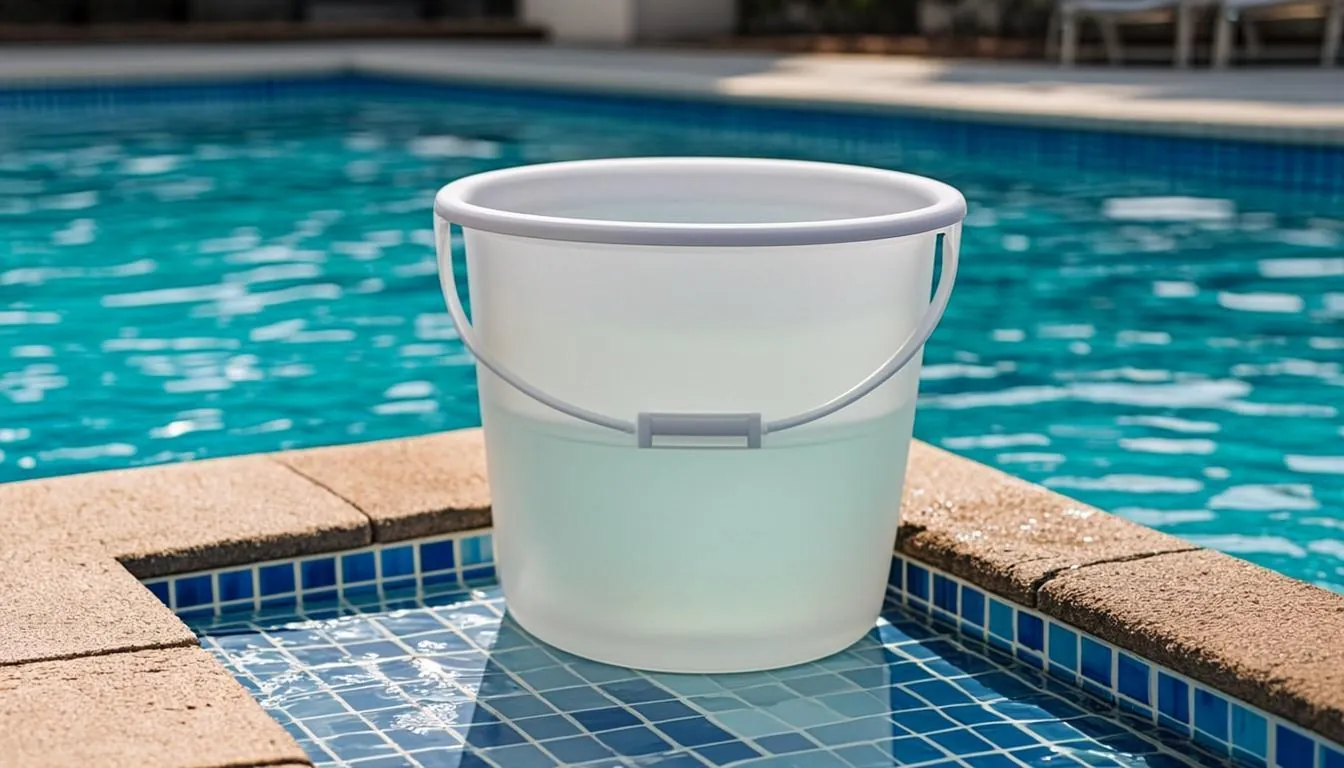
Evaporation is the honest rival of every leak claim, and the bucket test settles the contest with household items. Fill a bucket with pool water, set it on a step, mark the levels inside and outside, and run the pump on its normal schedule for a couple of days. If the pool drops while the bucket holds, the difference is your leak; if both fall together, evaporation wins the explanation.
Know the limits before trusting one afternoon of data. Rain, splash-out from swimmers, wind, and a stuck autofill valve all skew the numbers, so the strongest version runs for several days with the autofill off and nobody swimming. Multiple consistent readings carry more weight than a single dramatic one. When the result points to a genuine loss, instrument work takes over.
Pressure Testing the Lines
Every pipe run around a pool can be isolated, pressurized, and watched, which turns plumbing guesses into measurements. Skimmer lines, return lines, and the main drain each get sealed and checked; a run that holds pressure is cleared, and a run that falls is guilty. The guilty run then gets narrowed further, often with acoustic listening along its path, until the escape point sits within a small area. Written results follow the testing, so the repair conversation starts from a map rather than a hunch.
Pump On Versus Pump Off
The comparison few homeowners think to make is also the one that separates pressurized plumbing from shell trouble. Mark the water level, run the pump normally for a set period, and measure the drop; then rest the pump for an equal period and measure again. A pool that loses noticeably more with equipment running points toward pressurized lines on the return side, while an identical rate in both modes points toward the shell, a fitting, or the suction side. Doing the two readings back to back also cancels out the weather, since both spans face the same sky. Either answer sends the investigation somewhere specific, which is exactly what a good test should do.
Signs Beyond the Water Level
Water level is the headline clue, but pools drop hints elsewhere too. Note any of the following alongside your refill habit, and photograph anything that looks odd.
- Wet soil that never dries on one side of the equipment pad
- Air bubbles streaming through the return jets while the pump runs
- Algae that returns quickly despite balanced water chemistry
- Cracks or tile lines that weep even when the pump is off
- An autofill that cycles far more often than it used to
Chemistry that drifts for no reason deserves special mention, because leaking water carries dissolved material out and quietly unbalances the pool. Frequent corrective dosing combined with a falling level is a pattern worth investigating. One visit settles whether plumbing, shell, or fittings explain it, and the answer arrives in writing.
Pool diagnostics stay inside the sealed system, but jurisdiction still frames the paperwork: Lakewood Ranch crosses Manatee County and Sarasota County lines, and the provider that reads your meter is set by your village.
What Pool Leak Detection Costs in Lakewood Ranch
Pool leak detection Lakewood Ranch FL pricing starts with the locating visit, which prices between $175 and $575, access and method deciding, confirmed before testing begins. Bucket-test verification and a pad inspection sit at the simpler end, while full pressure testing of several runs takes more time and equipment. Any repair afterward is priced case by case once testing pins the leak, and the written findings belong to you either way. If the pool is not the culprit after all, the same evidence feeds the wider leak detection investigation.
Why Lakewood Ranch Pool Owners Call First
A Sealed System, Diagnosed as One
The pool is not a house with different furniture; it is its own pressurized network, and it gets diagnosed that way. Bucket verification, line isolation, and pump comparisons come standard rather than as upsells, and two decades in the trade back the method. The written report gives any pool professional who follows you a document they can act on directly.
Dispatch That Answers at Any Hour
The phone is staffed 24/7 by a person who can book the visit, which matters when a pool is dropping fast before a gathering or a storm. Describe the drop pattern and the equipment you run, and the right test gear rides out on the first truck. No voicemail chains, no waiting for Monday.
Evidence Before Excavation
Nobody wants a pool deck opened on a hunch. Pressure results, acoustic findings, and the bucket-test record have to agree before any deck or shell work is proposed, and the location arrives documented. That order protects the deck you walk on and the budget you planned.
A pool that keeps drinking water is telling you something, and pool leak detection Lakewood Ranch FL is how you hear it clearly. Call (941) 337-1250 and start with the bucket; the instruments finish the argument.
Related Services
The adjacent services below carry this job forward:
Frequently Asked Questions
How long should a proper bucket test run?
The strongest results come from several days of readings with the autofill off, the pump running on its normal schedule, and nobody swimming. Rain and splash-out contaminate short tests, so a single afternoon rarely proves anything. Multiple consistent readings across consecutive days carry the weight, and we review the numbers with you before instrument work begins.
Can the pool shell leak even when all the plumbing is sound?
Yes. Shell cracks, failed fittings around lights, and worn skimmer throats can all lose water with the equipment off, which is exactly what the pump-off comparison is designed to reveal. When the loss rate looks the same whether the pump runs or rests, attention shifts from the pipes to the structure. Dye tracing and acoustic listening then narrow it.
Why does the leak rate change when the pump runs?
The pump pressurizes the return side of the plumbing, so any weak joint or fitting on that side leaks harder under load and eases when the equipment rests. Suction-side runs behave differently, drawing air in rather than pushing water out, which shows up as bubbles instead of level change. The comparison reads those signatures and points the search accordingly.
What should I switch off before the visit?
Nothing needs to be off in advance; normal running conditions are useful evidence. Just note the refill habit you have fallen into and leave the timer and autofill as they are until we discuss the test plan. If a bucket test is already running, let it finish and bring the numbers.
Do you repair the leak too, or only find it?
Locating is the specialty, and the visit ends with a documented position plus written evidence you own. Repair scope is estimated separately, job by job, once the leak is confirmed, so you can schedule the fix with full knowledge of what it involves. Some findings point to simple fitting work and some point to a line; the report says which.
Stop Topping Off Blindly
Verify the loss, test the lines, and get the leak mapped before anyone touches the deck.