Sewer line services Punta Gorda FL homes benefit from most are the ones that start with a camera instead of a cable machine. The city keeps its own water and wastewater jurisdiction inside Punta Gorda, and the lateral from your building into that system is the private stretch a camera belongs in. When several drains slow at once or a toilet gurgles as the washer drains, the instinct is to clear the blockage and move on. Clearing has its place, but without footage you cannot tell a grease clog from a cracked pipe that will clog again next month.
Three Services, One Connected Visit
Each piece feeds the next, which is why they run as a single appointment rather than three separate calls.
- Camera-first inspection. A camera head travels the pipe from whatever access point the property offers, logging wall condition, joints, and the flow line with distance markers on screen.
- Cleaning coordination. When buildup, scale, or root mass limits the view or the flow, clearing is arranged so the camera can grade the pipe honestly.
- Repair planning. Every recorded defect gets a disposition, whether that is a re-check next season, a localized repair at its marked distance, or a replacement section, and the entry points for the work are agreed before scheduling.
Coordinating cleaning with the camera pass means the final findings describe pipe walls rather than a debris layer, and footage ahead of any repair quote means the price answers to the condition on screen. The camera step gets a fuller treatment on our sewer camera inspection page.
Signs the Sewer Side Is Speaking Up
Any of these is reason enough to look, and two together is a pattern worth acting on.
- Backups that surface at the lowest drain in the home, like a tub or floor drain
- More than one drain slowing down in the same week
- Toilets that gurgle when another fixture empties
- Ground over the lateral path that stays wet or turns unusually green
- Sewer odor near the cleanout or around indoor floor drains
One symptom can have a small explanation. Several together usually mean the main line, not a fixture branch, is where the answer lives.
How the Visit Runs, Start to Finish
- Symptom history. The visit starts from your account: what you have noticed and which fixtures act up together.
- Camera pass. The line is run at a deliberate pace, with the recording capturing every joint and transition.
- Live review. You see findings named and logged at their distances on the monitor as the head passes.
- Cleaning when needed. Buildup or roots limiting flow are cleared, and the camera returns for a second look at the graded walls.
- Written routing. You leave with the findings on paper and a next step agreed, whether that is watching the line, another cleaning cycle, or repair planning.
How Footage Sorts the Job
Every finding routes somewhere specific.
| What the camera shows | Route it points to | Why it routes there |
|---|---|---|
| A grease or scale layer | Cleaning, then a recheck | Capacity returns once the walls read clean |
| Roots at one joint | Cleaning plus a watchful calendar | The entry point is documented, so it can be revisited or repaired on purpose |
| Cracked or shifted pipe at one section | Spot repair quote | Structure is failing at a definable spot |
| Sagging run holding water | Section evaluation | Water pooling in a belly accelerates every other problem |
| A collapsed or crushed run | Replacement planning | No flow survives a fully failed pipe |
Sewer planning begins with the provider question: Charlotte County's utilities operate across the surrounding area while Punta Gorda remains its own municipal entity, and the county's utility map helps trace which applies.
What Sewer Line Services Cost in Punta Gorda
The camera inspection that opens most sewer line services Punta Gorda FL visits lands between $200 and $450; reaching the pipe and running its full length decide the rest. The quote for clearing follows the blockage the camera meets, not a flat guess. Repair and replacement work is estimated once the plan is set, because the footage defines the scope. Quotes follow the recording, never lead it.
The County Context Under Every Connection
Punta Gorda is its own compact harbor city and the seat of Charlotte County government, yet its water and wastewater picture sits inside a countywide one: Charlotte County infrastructure carries water and manages wastewater across the region. Every home ties into that network through its own lateral, the private pipe running from the house to the public main. Whatever happens in that lateral lands on the homeowner's side of the ledger.
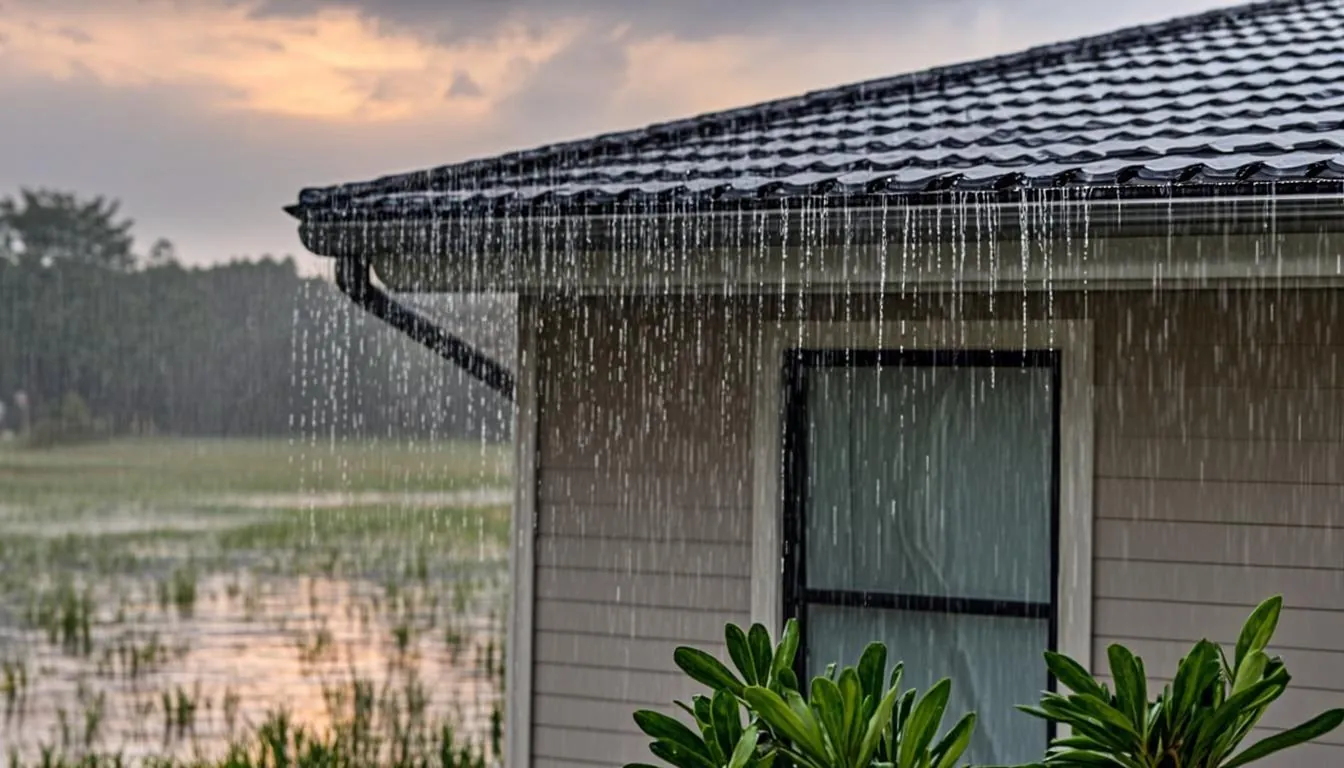
Rain gives that arrangement its hardest test. Inflow is the storm and surface water that slips into sewer systems through openings meant for wastewater, and infiltration is the groundwater that creeps inward through cracked pipe, tired joints, and loose fittings. Utilities work hard to keep that extra water out of public mains, because a network sized for sewage alone struggles when a storm doubles its load. The same mechanism applies to a private lateral: rain finding a defect underground turns one problem into two.
That is the quiet argument for camera-first service in a harbor town. Groundwater sits close to the surface here, so a joint defect that would stay dry inland can seep steadily all year. Footage distinguishes a pipe that needs cleaning from one that is quietly admitting groundwater, and the two call for very different responses.
Why Punta Gorda Puts Its Pipes on Camera
Two Decades of Reading Footage
Sarasota Leaks brings over two decades of underground diagnosis to the monitor, and regular routes through Charlotte County keep that experience current. Reading sewer footage is a craft: the difference between a joint that weeps and a joint that is failing lives in details only volume teaches. Crews bring that eye to every Punta Gorda visit.
Find It First Is Not a Slogan
The camera comes off the reel before any repair conversation starts, and you watch the monitor while findings are called out. Distance markers, named defects, and a written summary turn a murky backup into a bounded project. Homeowners choosing between cleaning, spot repair, and replacement get to base the call on the pipe's actual condition instead of a guess.
Always-On Dispatch for Backup Days
Sewer backups peak at the worst hours: holidays, weekends, the middle of a storm. A dispatcher at (941) 337-1250 takes the call at any hour, logs the symptoms, and sends help without a voicemail loop. When a line is actively backing up into a home, hours matter, and the first conversation sets expectations for exactly that kind of visit.
Footage first, cleaning where it helps, repairs only where the pipe justifies them. That order is the backbone of sewer line services Punta Gorda FL homeowners can schedule with confidence, and it holds from the first camera pass to the final walkthrough.
Related Services
The adjacent services below carry this job forward:
Frequently Asked Questions
Why camera first instead of just clearing the blockage?
Clearing treats the symptom, and the camera explains it. A line clogged by grease behaves differently from one clogged by a root mass or a collapsed section, and each calls for a different response. Footage taken before or right after clearing tells you which situation you are in, so the same backup is not back next month as a surprise.
What is the difference between inflow and infiltration?
Inflow is surface water, usually storm runoff, entering the sewer system through openings such as cleanouts and drains. Infiltration is groundwater slipping in underground through defective pipes, worn joints, and loose fittings. Both add water the pipes were never sized to carry, so utilities guard against both, and a defective lateral works harder every time it rains.
Who maintains the pipe between my house and the street?
The main running under the street is the utility's to maintain. Downstream of it, the lateral into your home is another matter: that stretch is the property owner's responsibility, so camera checks, cleaning, and repairs along it are scheduled by the homeowner. Unsure where one ends and the other begins? The utility can confirm the boundary for your address.
What decides the cost of the first camera visit?
Access drives it: whether the property has a working cleanout, how far the run extends, and how much of the line the camera can read in one pass all shape the fee. Most inspection calls land between $200 and $450, with the recording and written findings included rather than added later.
What does cleaning coordination actually involve?
Cleaning is arranged at the right moment: after the camera pass if buildup blocks the view, or before the pass if flow is too weak to reach the problem. The goal is a pipe whose walls can be graded honestly, so the final report describes structure rather than debris. Cleaning restores capacity; the footage decides whether structure needs attention too.
See Your Sewer Line on Screen
One visit documents the pipe, coordinates cleaning, and ends with a written routing plan.