Hidden water leak signs rarely announce themselves the way a dripping faucet does. Visible plumbing leaks give you a puddle, a drip, and a clear trail to follow. The hidden kind works quietly behind drywall, under a slab, or beneath the lawn, and by the time it surfaces you are often dealing with staining, warped flooring, or a water bill that jumped for no obvious reason.
Why Visible Leaks Are the Easy Case
A visible leak is a plumbing problem you can point at. Water shows up exactly where the fixture is, so the diagnosis is mostly finished before anyone opens a toolbox. Under a sink, the trap and supply lines sit in plain sight, and a tightening or a part swap often ends the episode. Toilets, faucets, and exposed shutoff valves fall into the same category: annoying, but straightforward. Water heaters belong in this group too, since a failing pan or fitting usually shows itself to anyone willing to look.
Visible does not always mean trivial. A failed angle stop can spray, a supply line can burst, and a ceiling stain can open up mid-storm. Even then the source is rarely in doubt, which is why these repairs move quickly once water is shut off.
Hidden Water Leak Signs Worth Taking Seriously
Most of these signals are easy to dismiss one at a time. Watch for the following patterns, especially when several show up together:
- Unexplained bill increases. Usage climbs even though nobody changed their habits.
- The sound of running water. You hear it with every fixture closed and the house otherwise quiet.
- Warm or discolored drywall. A stain, a blister, or a patch that feels warmer than the wall around it.
- Musty indoor air. Persistent mildew smell in a room with no obvious spill.
- Hot spots underfoot. A warm stripe across tile or wood with no appliance above it.
- The meter will not rest. Everything is off, yet the low-flow indicator keeps creeping.
One symptom alone might mean nothing. Two or three together deserve a closer look, and a meter check is the fastest way to separate a real leak from a fluke. Monthly bill comparison adds context too, since a jump without any change in habits rarely explains itself.
Four Leak Types and Where They Hide
Most residential leaks fall into four groups, and each hides in a different place. The table below compares them by symptom and by the first check that makes sense.
| Leak Type | Typical Symptoms | Where It Hides | First Check |
|---|---|---|---|
| Fixture-level | Puddles at the base, constant tank refills, drips you can see | In plain sight at sinks, toilets, and faucets | Look and listen at the fixture itself |
| In-wall | Staining, peeling paint, musty smell, warm drywall | Supply runs inside walls, often near baths and kitchens | Meter test, then acoustic listening at the wall |
| Slab | Warm floors, cracked tile, damp carpet edges, bill creep | Pressurized lines embedded in or under the concrete | Thermal scan and acoustic survey of the floor |
| Underground service line | Soggy yard spots, weak flow at far taps, meter moving with everything off | Between the meter and the house, buried out of view | Meter isolation test, then locator and acoustic gear |
Fixture-Level Leaks vs. Leaks Behind Walls
The practical difference comes down to what the water touches first. Fixture leaks present at the fixture: base of the toilet, cabinet floor, spout base. Wall leaks present wherever gravity and airflow carry the moisture, which is often a foot or more from the pipe that failed. That distance is why a stain under a second-floor bathroom does not automatically convict the bathroom above.
Wall leaks also grow silently. Drywall wicks water sideways, insulation holds it, and the surface can look normal while damage behind it is well along. If a stain keeps returning after repainting and no fixture above has ever dripped, the supply run inside the wall becomes the prime suspect.
Slab Leaks and Underground Service Lines
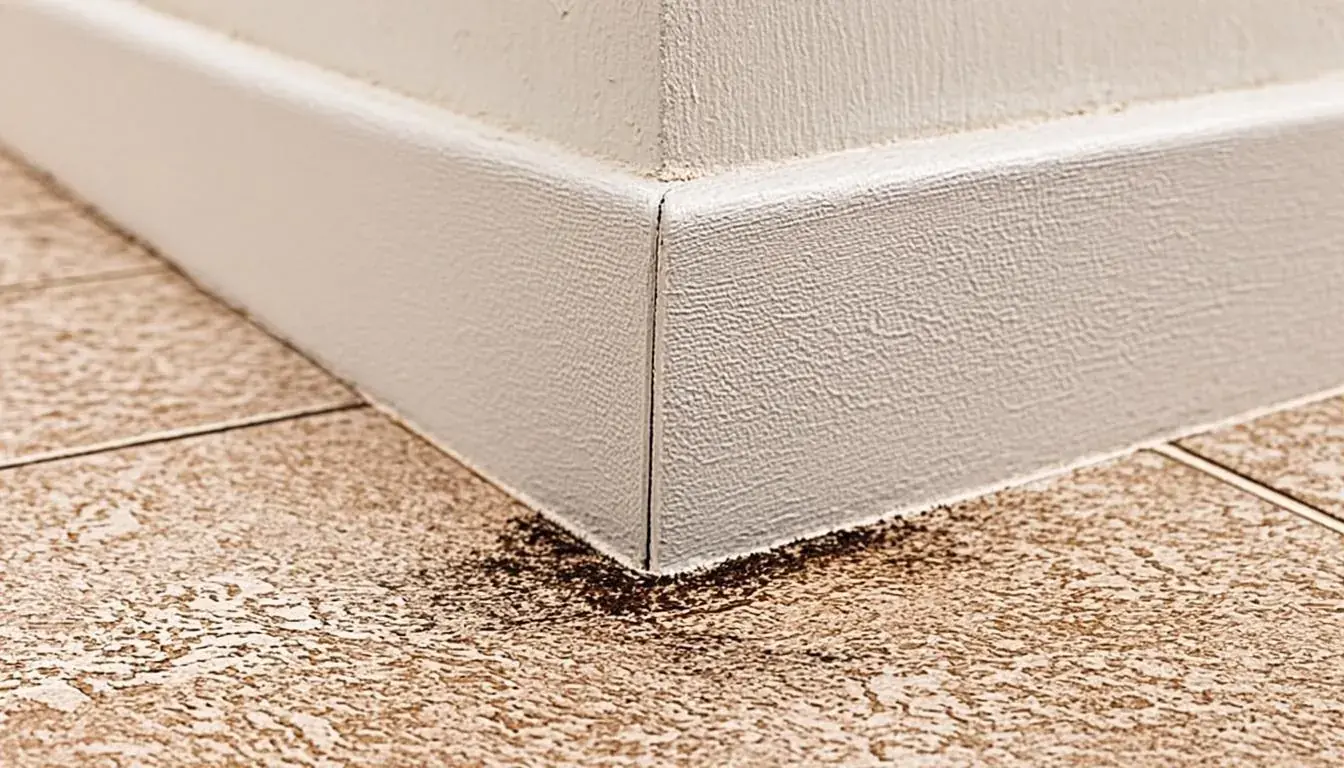
Beneath the finished floor, two different systems can leak, and keeping them straight helps. A slab leak involves pressurized supply lines embedded in or under the concrete, and its hidden water leak signs lean toward warm floors, the sound of water when nothing runs, and localized floor damage. An underground service line leak sits between the meter and the house, so the telltale signs move outdoors: soft ground, lush patches, and a meter that keeps ticking while everything inside is off. Both types share one trait. Neither gives you a convenient puddle at the point of failure.
Guesswork repairs, like opening a floor on a hunch, cost more in the end than a proper survey does. Slab leak detection locates the failure point first, so the opening you make is the only one you need.
Simple Checks Before You Call
Two checks narrow things down fast. Run the meter test first: close every fixture, quiet every appliance that draws water, then watch the low-flow indicator for several minutes. Movement with everything off points to a pressurized leak somewhere on the property. Second, walk the grounds after a dry spell and note any squishy turf, eroded soil, or unusually green strips that follow a buried line.
Write down what you find, including when symptoms started and whether they change when hot water runs. A short timeline and a few photos make the professional visit faster and the diagnosis sharper.
When to Call a Professional in Sarasota
Call for leak detection in Sarasota when the meter will not settle down, when a stain grows back after repainting, or when floors warm up underfoot for reasons you cannot explain. Hidden water leak signs confirm that a leak exists; a professional survey pinpoints it before anyone opens a wall or a floor. Sarasota Leaks has spent 20+ years locating leaks under Sarasota homes with acoustic, thermal, and pressure-testing equipment, and dispatch runs 24/7 when a leak turns urgent. Call (941) 337-1250 and get an answer instead of a hunch.
Related Services
Whatever the visit confirms, these pages hold the next step: