Warm flooring under bare feet, the sound of water moving with every tap closed, and a damp patch that refuses to dry are classic signs of a slab leak Sarasota homeowners describe when they finally call for help. Homes built on concrete foundations hide their supply lines in the slab itself, so a pinhole failure can run for weeks before anything looks wrong on the surface. Catching it early protects your flooring, your foundation, and your monthly budget.
What a Slab Leak Actually Is
A slab leak is a failure in a pressurized water line embedded in or running beneath your home's concrete foundation. Because those lines stay under pressure around the clock, water escapes continuously, not just when a fixture is open. Both hot and cold lines can fail, which is one reason the symptoms vary so much from house to house. That steady, hidden flow is also why even a small failure can move a surprising amount of water through soil and concrete before a puddle ever appears indoors.
The 5 Early Signs Worth Acting On
Watch for the signs of a slab leak Sarasota plumbers hear about most often. They are listed here in rough order of how early they tend to appear:
- Warm spots on the floor. A hot water line leaking under the slab warms the flooring above it. One pleasantly warm strip of tile with no explanation, especially along a bathroom or kitchen path, deserves a second look.
- Unexplained water sounds. Dripping, hissing, or flowing sounds when every fixture is shut off mean water is moving somewhere it should not be. Quiet nights are when most homeowners first notice it.
- Damp or discolored flooring. Grout that darkens, tile that never quite dries, carpet with a musty smell, or hardwood that starts to cup can all trace back to moisture rising from below.
- Moisture at the baseboards. Water wicks outward where the wall meets the floor. Bubbling paint, swollen baseboards, or a dark line creeping up drywall are later clues that the problem is growing.
- Unusual water use. A bill that climbs without any change in habits is often the first measurable evidence. Your water meter can confirm the story in about an hour.
Any single item on that list can have an innocent explanation. Two or more appearing together, in the same part of the house, is a pattern worth taking seriously.
Slab Leak, Fixture Leak, or Just Condensation?
Not every damp spot points to the foundation. A running toilet, a dripping hose bib, or a tired flapper can waste plenty of water while leaving the house visibly dry, and the source is usually visible if you look. Five minutes with your faucets, toilets, and outdoor spigots can spare you an unnecessary service call.
Condensation is the other common lookalike. In Sarasota's humid climate, cold supply lines and air handler condensate leave water trails that mimic a leak surprisingly well. Wipe the suspect area dry and check back a few hours later; condensation returns with the weather, while a slab leak keeps growing no matter how dry the day.
Why Early Detection Matters
Water escaping under a slab does more than inflate a bill. Flowing moisture erodes the soil that supports the concrete, swells wood flooring, and softens wall materials it touches. The bill arrives first, the flooring damage follows, and the repair grows with every week in between. Left alone long enough, a modest plumbing failure becomes a flooring and structural conversation instead.
Moisture that lingers indoors eventually becomes an air quality question too, and guidance from the EPA on mold notes that damp building materials are a common ingredient in mold growth. Acting while the evidence is still subtle keeps the repair small and the schedule simple. It also keeps your household away from the musty, humid rooms that long-running leaks create.
What Happens During a Professional Diagnosis
Professional diagnosis is a deliberately low-drama process. The goal is to find the failure precisely so that any opening in the floor is small and purposeful. A typical visit moves through a sequence like this:
- A review of your symptoms, flooring history, and recent water bills
- A meter check to confirm water is escaping while everything sits closed
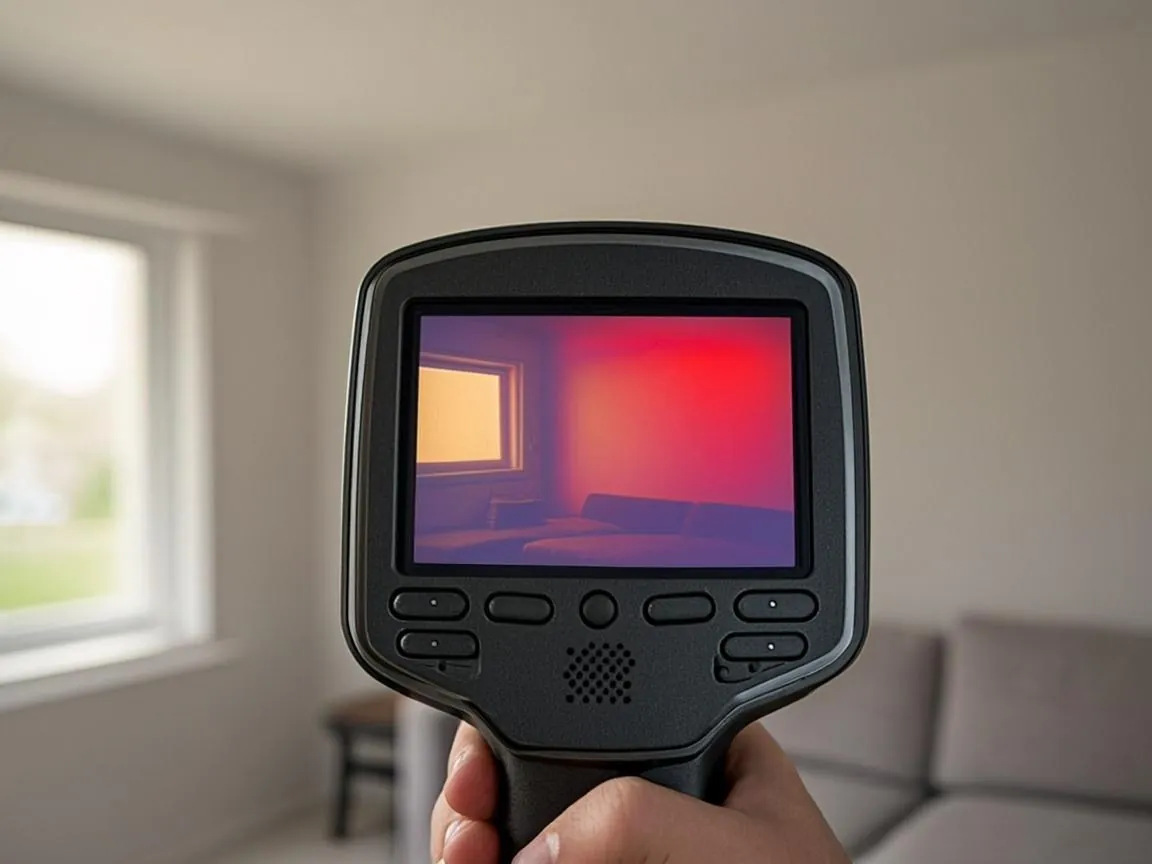
- Acoustic listening and thermal imaging to narrow the search area
- Pressure isolation to separate hot and cold lines, or supply zones, if the evidence calls for it
- A plain-language explanation of what was found and which repair options fit
Confirmation comes before construction, always. You should never be asked to approve breaking concrete on a hunch when non-destructive tools can put a number on the location first.
When to Call a Professional in Sarasota
If one or more of the signs of a slab leak Sarasota homes commonly show have appeared under your feet, the next step is confirmation rather than demolition. Our slab leak detection service in Sarasota pinpoints the failure with acoustic, thermal, and pressure testing, so you know exactly what you are dealing with before deciding on a repair. Give Sarasota Leaks a call at (941) 337-1250, day or night, and get answers scheduled.
Related Services
The adjacent services below carry this job forward: