Underground pool pipe leak signs usually arrive as small changes long before anything floods: a waterline that slips a little faster each week, returns that feel weaker, or a pump that behaves in ways it never did before. Learning the pattern turns frustration into useful evidence, because each symptom points toward a particular part of the pool's plumbing loop.
Pool Plumbing Is Its Own System
A swimming pool runs on a sealed loop of its own. Water leaves through skimmers and main drains, passes through the pump and filter, and returns through a separate set of buried pipes. Nothing in that loop connects to the household supply plumbing or to the irrigation system, so an underground pool pipe leak stays a pool problem from start to finish, even when the symptoms wander into the yard.
Because the lines are buried and pressurized, failures announce themselves indirectly. Listed below are the five signs you are most likely to notice, and patterns across several of them justify a professional test.
The Five Signs, One by One
Each symptom can have a mundane explanation on its own. Sequences of two or three together deserve attention.
1. Unexplained Water Loss
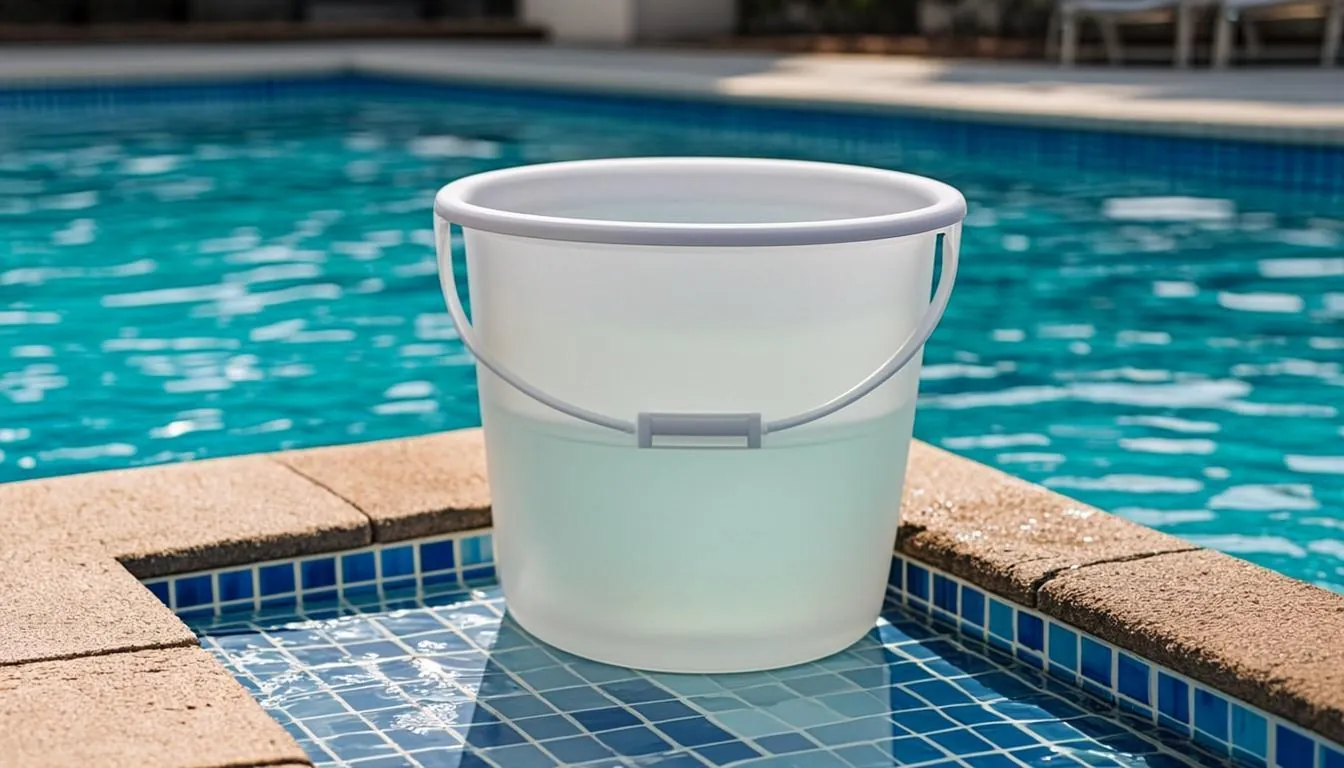
The classic marker. Water level falls faster than evaporation explains, the autofill runs constantly, and chemical balance drifts as dilution keeps adding fresh water. A simple bucket test is the quick screen; sustained loss beyond evaporation is your cue to look at the plumbing. Catching the trend early is half the battle, so mark the tile line and check it at the same time each day.
2. Weak Return Flow
Returns that used to push a firm arc across the surface now barely ripple. An underground leak on the return side steals flow before it ever reaches the pool, and pressure-side losses often worsen while the pump runs. Rule out a dirty filter or a clogged impeller first, since both mimic this symptom cheaply. Flow loss that builds gradually points toward a developing leak, while a sudden drop often means a blockage instead.
3. Air or Bubbles From the Returns
Steady streams of bubbles usually mean air is entering the suction side, which points toward a break in a skimmer line, a main drain line, or the pump's intake plumbing. Occasional bubbles after filter cleaning are normal; persistent aeration is not. Air in the loop also makes the pump louder and less efficient. Aeration is often loudest during startup, so watch the returns when the system first kicks on.
4. Wet Ground Near the Pipe Runs
Soft turf or washed-out sand between the pool and the equipment pad suggests a pressurized line weeping below the surface. The damp zone often follows a straight path, because pipe routes tend to be direct. Ground that never fully dries between cycles deserves a second look. Photograph the wet area at the same hour across a few days, and the boundary of the dampness will show you roughly where the line runs.
5. Equipment Pad Symptoms
Pumps that lose prime, run loudly, cycle strangely, or cavitate are often reacting to a leak elsewhere in the loop. A wet or rust-stained pad, a recurring airlock after backwashing, and a pump basket that will not stay full all belong on this list. Treat the equipment as a witness rather than the culprit until testing says otherwise. Pumps rarely fail apart from hydraulics, so pad symptoms deserve plumbing checks before replacement shopping begins.
Why These Symptoms Point Underground
Buried pool lines fail quietly. Water follows the path of least resistance, which may be a planter bed, a neighbor's yard, or a storm drain, so the wet spot and the break are rarely neighbors. Meanwhile the pump keeps working against the leak, which explains the odd behavior on the pad. Put the pattern together and underground pool pipe leak signs become hard to miss.
Timing adds context. Losses noticed at the start of swim season often have months of quiet history behind them, while mid-season losses can follow equipment work or valve problems. Note when the symptoms began.
Depth matters less than access. Most pool plumbing sits at modest depth, so the hard part is knowing where to open, not reaching the pipe. Precision before excavation keeps the repair small and the deck intact.
Quick Checks Before You Schedule
Two low-effort checks sharpen the picture. Run a bucket test across a dry stretch, once with the pump on and once with it off, and record both results. Then inspect the pad with the system running: look for weeping fittings, listen for cavitation, and watch the pump basket level.
Bring those notes to the appointment. Line-by-line pressure testing goes faster when the crew already knows which mode loses water and where the ground stays damp.
When to Call a Professional in Sarasota
Call for pool leak detection in Sarasota when two or more signs appear together, when the bucket test shows loss beyond evaporation, or when the pump will no longer hold prime. Sarasota Leaks pressure-tests skimmer, main drain, and return lines individually, then locates the failure before any deck or turf is opened, backed by over two decades in the field and 24/7 dispatch. Underground pool pipe leak signs rarely resolve on their own; repairs are quoted after the diagnosis, so you know the scope before approving the work. Call (941) 337-1250 to book the test.