Heavy rain can absolutely affect underground plumbing in Sarasota, and the mechanism is less mysterious than it sounds: saturated soil raises groundwater, stormwater hunts for somewhere to go, and buried pipes with small defects become the path of least resistance. Rain stresses sanitary sewers and potable water lines in completely different ways, and knowing the difference tells you which professional to call. Here is how it works, system by system.
Rain, Groundwater, and Buried Pipe
Sarasota sits low, with a water table that climbs quickly during extended rain. When the soil around a buried pipe saturates, two things happen at once. Groundwater presses on every joint and fitting from the outside, and the sewer system starts collecting water it was never designed to carry. A pipe that performs perfectly in dry weather can behave very differently once the ground around it is holding all the water it can.
Surface runoff adds its own pressure, ponding over low cleanouts and meter boxes, hunting for open caps, and pooling wherever grading traps it. A yard that stays wet for days is telling you how much water the soil holds, and that same saturated zone is what surrounds every buried line on the property.
Inflow and Infiltration: How Storms Enter the Sewer
The sanitary sewer world has a name for this: inflow and infiltration, often shortened to I&I. Stormwater entering the sewer system from the surface is inflow, and it arrives through openings such as defective caps, cleanouts, or bad connections. Groundwater seeping into the buried system through defective pipes, joints, fittings, connections, and service laterals is infiltration.
Sarasota County runs an Inflow & Infiltration Reduction Program under its CMOM program precisely because storm-loaded sewers are a known local problem, and the county requires privately owned sewer systems and service laterals to be operated and maintained. For homeowners, the takeaway is simple: much of the water flooding the public system during a storm arrives through private pipes, and those private pipes belong to the lots they serve.
What Sewer Stress Looks Like Indoors
During and right after heavy rain, sewer-side symptoms follow a pattern:
- Gurgling toilets and drains, as air and surging flow move through shared lines.
- Slow drains across several fixtures at once, a sign the restriction sits downstream in a loaded branch or lateral.
- Sewer odor, when a pressed system pushes gas past weak traps and seals.
- Backups that appear during the storm and fade afterward, the classic signature of a rain-loaded line.
Those symptoms deserve follow-up even if they clear on their own. Weather-related behavior is a clue that rain is getting into the system somewhere, and a camera inspection can locate the entry points while they are still repairable rather than collapsed. Dry-weather gurgling earns the same follow-up, because venting problems and dried traps produce similar sounds without any storm at all.
Potable Water Lines: A Different Story
Rain does not create supply-side leaks out of nothing. The pipe between your meter and your house carries pressurized water at all times, so any water escaping is leaving through a weakness that already existed. Saturated ground can expose an existing weakness: soil support changes, a marginal fitting starts weeping, or a slow underground leak that was quietly absorbed for months surfaces as a wet patch once the soil can hold no more.
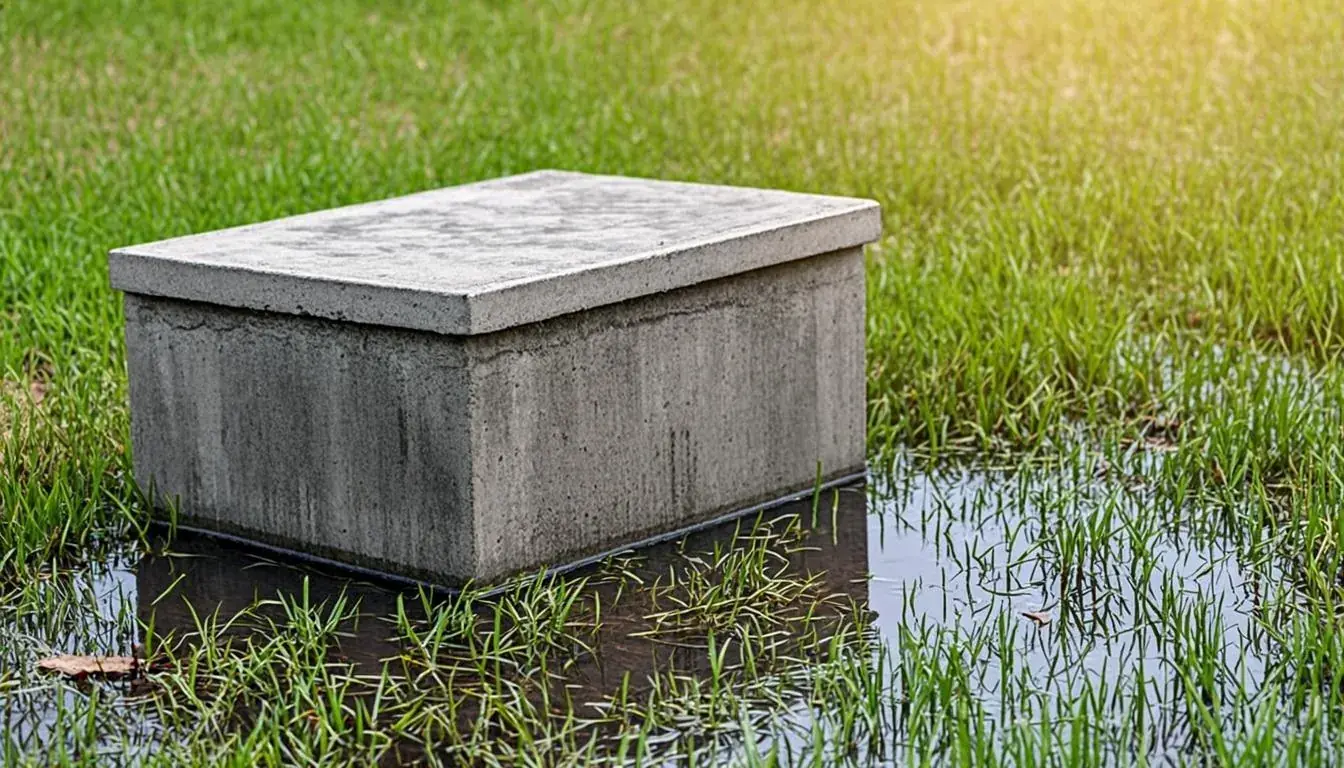
The meter is the honest referee. With every fixture and irrigation zone off, watch the low-flow indicator. Movement during a rain event means pressurized water is escaping on the supply side, which is a water line problem rather than a sewer problem.
Two Systems, Two Checklists
Sorting the two apart after a storm is easier with a side-by-side comparison:
| System | How Rain Affects It | What You Notice |
|---|---|---|
| Sanitary sewer (lateral and main) | Inflow and infiltration add stormwater and groundwater through defective openings | Gurgling, multi-fixture slowdowns, sewer odor, storm-timed backups |
| Potable service line | Saturated ground can expose an existing weakness; rain does not create leaks from nothing | Meter movement with fixtures off, persistent wet spots, pressure changes |
| Yard drainage | Surface runoff pools where grading allows | Standing water that eventually drains; not a plumbing symptom on its own |
Keep the categories separate in your head and in your report. A sewer that gurgles in storms and a water line that weeps in wet weather need different specialists, different tools, and different fixes. Writing the symptoms down while they are fresh makes the diagnosis faster and your report cleaner.
When to Call a Professional in Sarasota
If heavy rain keeps producing underground plumbing symptoms around your Sarasota property, get the buried side checked before the next storm runs the test for you. Our underground water line team in Sarasota locates and repairs supply-side problems between the meter and the house, while our sewer specialists trace storm-related gurgling and backups back to the defect that lets water in. Call (941) 337-1250 and find out which system you are dealing with before the next soaking.
Related Services
The adjacent services below carry this job forward: