A pool leak bucket test is the first diagnostic every Florida pool owner should know, because it answers a question the long swim season makes urgent: is the water level dropping from evaporation, or from a leak? From the deck the two look identical. The waterline tile exposes a little more each morning, and the autofill runs more often than it used to.
Why Pools Lose Water in Two Different Ways
Evaporation speeds up with heat, wind, low humidity, and heavy spa spillover. A leak, by contrast, drains water through cracks, fittings, or pressurized plumbing at a rate that ignores the weather. Both happen at once, which is why a controlled comparison beats eyeballing the waterline.
Long swim seasons give evaporation a head start in Florida, and outdoor pools lose water to the sky nearly every day. Leaks behave differently: they keep pulling whether the sun is out or not, and they tend to get worse rather than settle down. One rainy week can hide a leak entirely, which is why timing your test matters.
The bucket test creates the controlled comparison that eyeballing cannot. It subjects a fixed volume of pool water to the same sun, wind, and temperature as the pool itself, so evaporation affects both equally and only a leak creates a difference.
How the Bucket Test Works, Step by Step
No special equipment is needed for a pool leak bucket test; Florida pool owners only need a clean bucket, something to mark with, and a stretch of dry weather. Run it like this:
- Fill the bucket most of the way with pool water, leaving room at the top so it settles on a step without spilling.
- Set it on a pool step with the rim slightly above the waterline, weighing it down with a stone if it wants to float.
- Mark two levels: the water inside the bucket and the pool level outside it. Tape or a grease pencil works on both surfaces.
- Choose your mode. Pump off tests the shell and fittings only; pump running includes the plumbing loops in the result.
- Wait about 24 hours with no rain forecast, no swimmers, and no backwashing.
- Compare the drops. Measure the change inside the bucket against the change in the pool itself.
Matching drops point to evaporation. A pool falling faster than the bucket is losing water somewhere the bucket cannot, and the gap between the two is your baseline measurement for the professionals.
Reading Your Results
If the levels fall by the same amount, evaporation wins and the shell gets the benefit of the doubt. A pool dropping noticeably faster than the bucket is losing water through structure cracks, light niches, skimmer throats, main drains, or underground plumbing. Mark where the water settled, date your notes, and photograph both marks for whoever comes out next. The size of the gap matters as much as its existence, since a small daily difference is easier to plan around than a fast one.
Losing water with the pump off but not with it running, or the reverse, is diagnostic gold. Pump-on losses suggest pressure-side plumbing, while pump-off losses point toward suction-side lines or the shell itself. Note which mode lost more and tell the detection crew.
What the Bucket Test Cannot Tell You
The bucket test is a screening tool, not a locator. It says whether water loss exceeds evaporation; it cannot name the fitting, crack, or pipe responsible. Watch for these confounders before trusting any single run:
- Rain. A shower refills pool and bucket alike, erasing hours of data. Test across a dry stretch.
- Splash-out and bathers. Kids, dogs, and cannonballs remove water that never shows up in the bucket.
- The autofill. A running autofill hides leaks by topping the pool up silently. Switch it off for the test and remember to switch it back.
- Temperature swings. Cool nights can raise the bucket level overnight and blur a small difference. Longer runs smooth this out.
- Backwashing and cleaning. Any water you dump mid-test corrupts the comparison. Start over if it happens.
Run the test honestly and most confounders disappear. When the result still points to a leak, the question becomes where, and that takes instruments the bucket does not have.
From Bucket Test to Pressure Test: What Professionals Do Differently
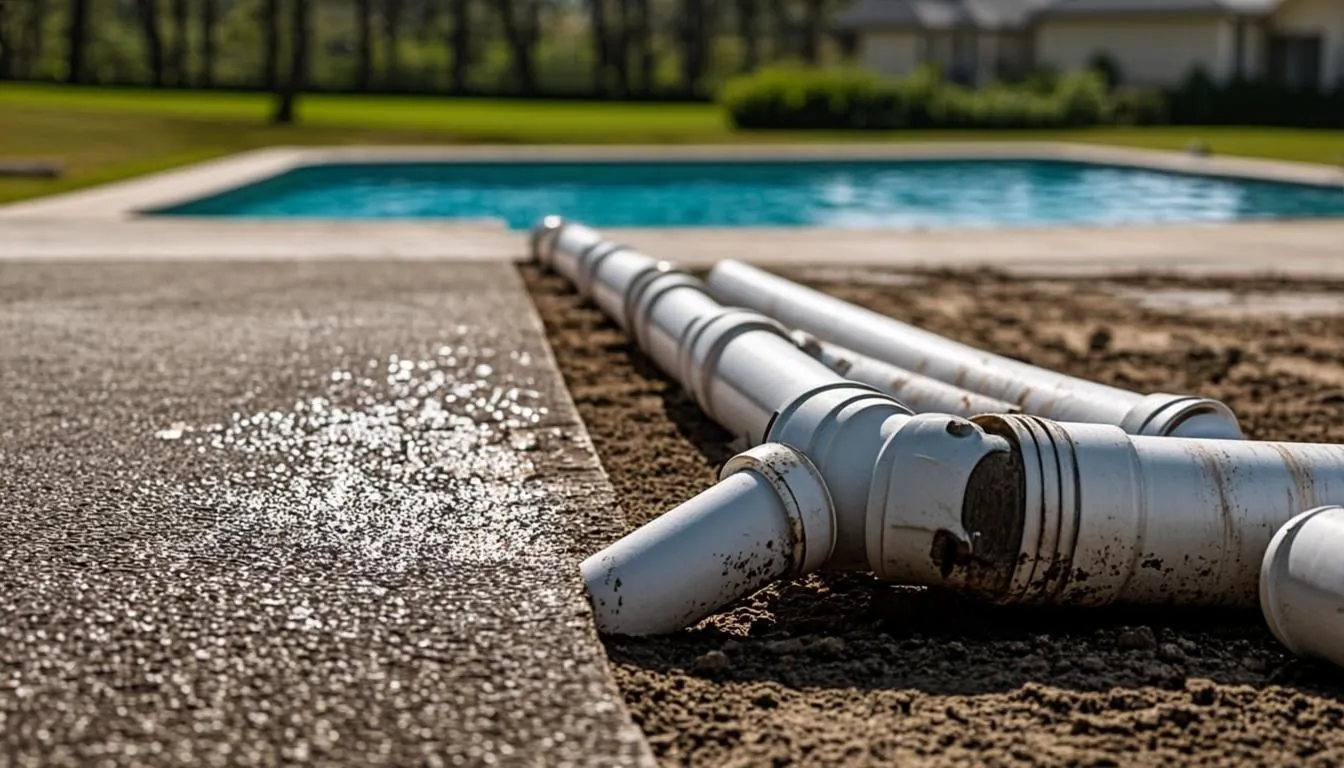
Professional pool leak detection starts where the bucket stops. Pressure testing isolates each plumbing line individually: returns, skimmer lines, main drains, cleaner lines, and spa jets get capped and pressurized so a line that will not hold identifies itself. Listening gear and dye testing narrow failures inside the shell, and camera work inspects pipe interiors where access allows.
The outcome is a located failure rather than a suspicion, which matters because digging up the wrong run under a finished deck is an expensive mistake. Bring your notes to the appointment; pump-on versus pump-off behavior and the measured gap between pool and bucket shrink the search before the first gauge is connected. Arriving with data turns a broad survey into a targeted one.
When to Call a Professional in Sarasota
Call for pool leak detection in Sarasota when the pool outpaces the bucket, when the autofill cycles constantly, or when wet ground appears near the equipment pad. Your pool leak bucket test results, including pump-on versus pump-off behavior, are genuinely useful data for the crew that arrives, and Sarasota Leaks builds on them with line-by-line pressure testing backed by 20+ years in the field. Repairs are quoted after the diagnosis is complete, so the scope is known before you approve anything. Call (941) 337-1250 to schedule the next step.