Slab leak detection Bradenton FL calls tend to start with a strange detail rather than a flood: one warm tile, a faint hiss nobody can place, a bill that drifted upward without a reason. Established Bradenton homes were built slab-on-grade, which puts every supply run in contact with the concrete beneath your floors. When one of those runs starts leaking, the signs are subtle. Detection exists to turn a hunch into a marked location before the concrete ever gets opened.
The Four Signs That Point Downward
- A warm floor. Hot water lines run beneath the slab, and escaping heat warms a strip of floor above the failure. No heating system should be making your tile feel that way.
- A running-water sound. With every fixture off, a slab leak keeps whispering. Hearing water move in a silent house means the movement is real.
- Dropping pressure. Escaping water bleeds off supply pressure, so showers soften and taps lose their bite before anything becomes visible.
- A climbing bill. Unchanged habits plus a rising bill equals water going somewhere. Under a slab is one of the places it goes.
Any one of these deserves attention, and two or more together make the case for scheduling now. Slab leaks worsen on their own schedule, and concrete hides the evidence until the cost has grown. Early slab leak detection Bradenton FL service is what keeps the eventual opening small.
Why Established Homes Develop Slab Leaks
Causes here are technical, not mysterious. Pipe degradation after years of service, joint failure at a fitting, ground settlement shifting a run a fraction of an inch, and the plain aging of materials account for the overwhelming majority of under-slab failures. None of those causes requires blame, and none of them announce themselves in advance.
What they share is a quiet start. A pinhole seep becomes a soaked soil pocket, which becomes sound, warmth, and movement you can finally notice. Catching the story at the pinhole stage is the entire point of a detection visit.
How Detection Finds What Concrete Hides
- Meter check. Every fixture and valve closes, and the meter is watched for movement that confirms loss on your side of the system.
- Hot and cold isolation. Separating the hot line from the cold narrows the search before imaging begins.
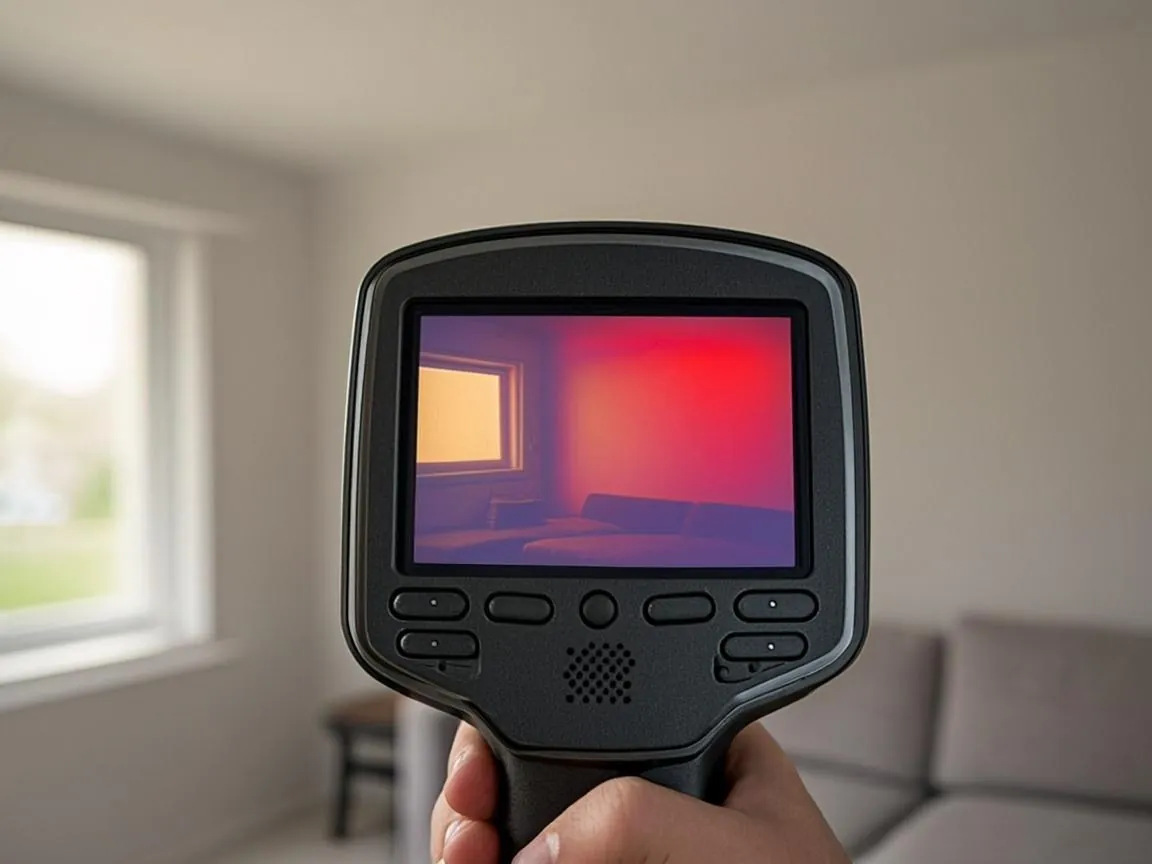
- Thermal scan. An infrared camera walks the floor, mapping temperature patterns that trace warm lines toward the anomaly.
- Acoustic pinpointing. Ground microphones listen through the slab, and the loudest point gets marked.
- Confirmation and documentation. Cross-checked readings become a marked location and a written summary you keep.
Detection Versus Guessing, Side by Side
| Diagnostic detection | Guess and dig | |
|---|---|---|
| Openings made | One, exactly at the confirmed point | As many as the search requires |
| Evidence in hand | Marked location, readings, written summary | An opinion |
| Repair scope | Known before quoting | Discovered while breaking concrete |
| Cost shape | A detection fee, then a bounded repair | Open-ended labor and restoration |
Water and sewer inside Bradenton's city limits answer to the City of Bradenton's Public Works & Utilities, while homes in unincorporated Manatee County sit on the county's system, and either way the under-slab search starts on the private side.
What Slab Leak Detection Costs in Bradenton
Detection visits for slab leaks come in between $175 and $575, scaled to access and the methods your symptoms call for. The range reflects how deep the search has to go, not how long the meter happens to spin. Repair, if the confirmation warrants it, is quoted separately per case once the location and scope are known.
The Bradenton Context Under Your Floors
Slab-on-grade construction dominates the established neighborhoods here, and homes on mature lots have usually carried their under-slab plumbing for decades. Aging infrastructure is not only a public topic, either. The city is investing in renewing its water, wastewater, and stormwater systems, yet the private pipes beneath a house follow their own clock and answer to nobody's schedule.
One practical takeaway stands out. Established housing rewards owners who take symptoms seriously early, because under-slab water gets more expensive with every month it keeps moving. When confirmation comes, our slab leak repair page lays out the full options ladder.
Why Bradenton Homeowners Choose Sarasota Leaks
Slab Experience From Over Two Decades
Reading a slab is a learned skill, and this team has been learning it across 20+ years of Florida work. Crews that trace leaks through concrete every week know how symptoms translate into locations, and they know when a warm floor means a hot line and when it means something else entirely. Experience shortens the search.
Marked, Not Guessed
The find-it-first rule is absolute. A visit ends with a marked point, supporting readings, and a written summary, and no concrete is opened on the strength of a hunch. Homeowners get evidence to hold, compare, and act on. Guesswork is what the process exists to replace.
Dispatch That Answers at Any Hour
Slab leaks do not schedule themselves around office hours, and neither does dispatch. The phone never goes to voicemail: (941) 337-1250 connects you to a dispatcher at any hour, so a Friday night symptom becomes a Saturday morning visit rather than a week of watching the meter spin. Someone capable always picks up.
A warm floor is a clue, not a sentence. One detection visit settles whether a slab leak exists, marks exactly where it sits, and hands you the documentation to fix it on your terms. Slab leak detection Bradenton FL service is the appointment that keeps a small problem small.
Related Services
The adjacent services below carry this job forward:
The Same Service in Nearby Communities:
Frequently Asked Questions
Does a warm floor always mean a slab leak?
A warm strip with no heating system beneath it is a serious warning sign, usually pointing at a hot water line losing heat under the slab. Other explanations exist, like sun through windows or a nearby appliance, which is why confirmation matters. Detection settles the question before any concrete is disturbed.
How is the leak location marked and documented?
Thermal imaging and acoustic listening are cross-checked until the readings agree, and the agreeing point is marked directly on the floor or surface. The visit closes with a written summary that names the location, the readings behind it, and the recommended next step. You keep that documentation for repair planning or insurance review.
Can a slab leak stop leaking on its own?
No. The rate of seepage can change with pressure and soil conditions, but the defect in the pipe does not heal, and the water keeps taking the same path. Left alone, the leak soaks soil, undermines support, and grows the eventual repair. Early detection is what keeps the damage curve flat.
What happens if the tests find nothing under the slab?
A clean result is still a result. The findings rule out the slab and redirect the search toward indoor fixtures, the service line, or other systems on the property, guided by the meter behavior that started the visit. You leave with written documentation of what was checked and where the evidence points instead.
Do you repair the slab leak during the same visit?
Detection and repair are separate, deliberate stages. The detection visit ends with a marked location and a written scope, and repair is quoted and scheduled from that evidence. Emergency handling is available when water is actively surfacing, but even then the location gets confirmed before any concrete is opened.
Confirm Before Concrete
Diagnostics give you a marked, documented leak location first, so repair decisions rest on evidence rather than worry.