Slab leak detection Siesta Key FL searches start with an honest look at what the building actually is, because the island never followed a single construction pattern. Some houses sit on slab-on-grade foundations with supply lines run under the floor, while plenty of condominiums are raised multi-story buildings whose pipes travel through walls and chases. Confirming the structure comes first, and the instruments follow from that answer.
Reading a Floor Without Opening It
Under-slab work earns its keep by staying noninvasive until the evidence is complete. Four instruments do most of the listening.
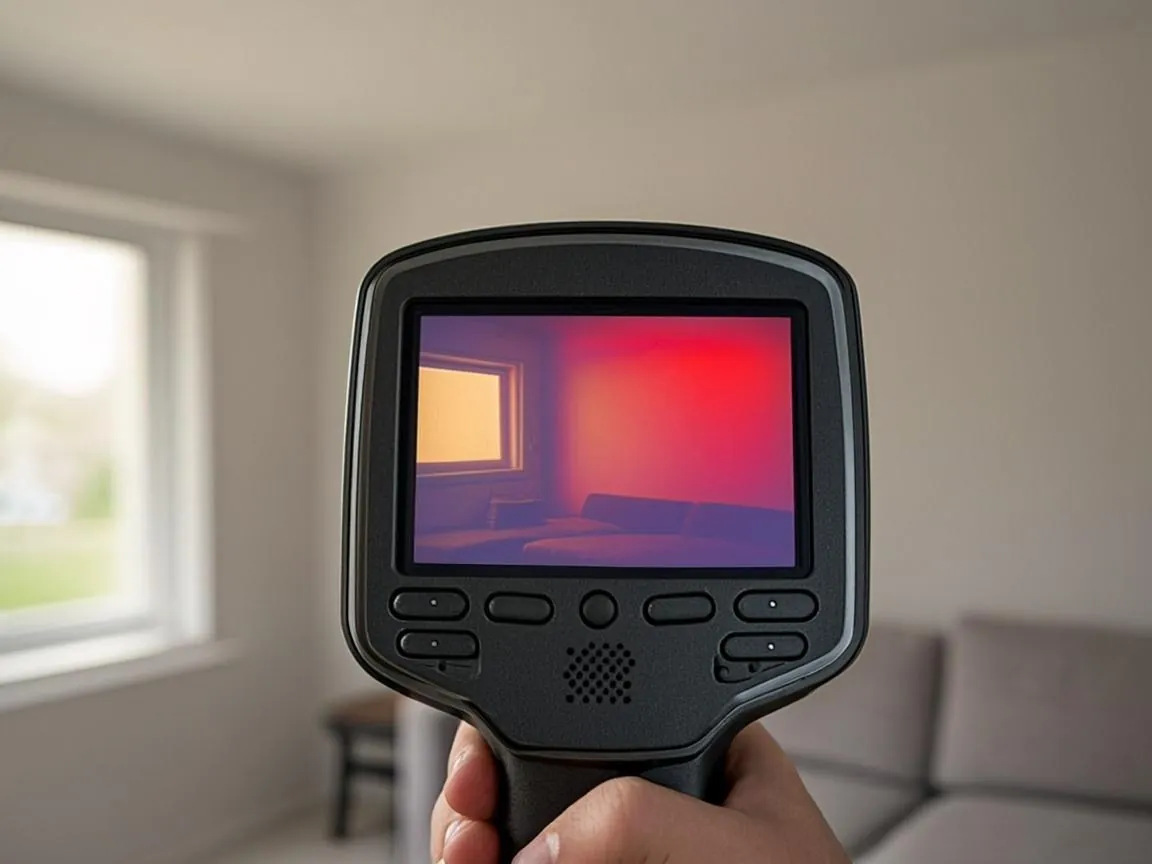
- Thermal imaging. An infrared camera catches the heat signature a hot-water line sheds into the floor, often drawing the leak's neighborhood before anything else runs.
- Acoustic listening. Ground and surface microphones trace the sound of water escaping a pressurized line, narrowing a whole-floor mystery to one zone.
- Isolation testing. Closing sections one at a time while watching a gauge separates the guilty run from the innocent ones.
- Moisture mapping. Readings across the finished floor chart where water has traveled and point the search back toward its origin.
None of the four requires breaking tile on spec. Layered together, they usually end with a marked spot the size of a plate rather than a demolition plan.
Signals Worth a Slab Search
Floors announce trouble in their own dialect, and island finishes can muffle it for a while.
- A warm strip across tile with no appliance or sun to explain it
- The sound of water moving underfoot when every tap is closed
- Tile that loosens, grout that darkens, or wood that begins to cup
- A meter that drifts overnight with the house shut down
- One room that stays humid while the rest of the property behaves
Hot-side clues tend to show up fastest, since warm water advertises itself through the floor. Cold-side leaks are quieter and often surface as moisture or meter movement first. Either way, the sooner the search runs, the smaller the opening that eventually follows.
How the Search Narrows
A slab search has a rhythm to it, and naming the steps keeps expectations realistic.
- Structure check. The visit opens by confirming how the building is built, since raised floors and slab foundations lead searches in different directions.
- Clue inventory. Symptoms, meter behavior, and the history of the finish surfaces get laid out together.
- Instrument pass. Thermal and acoustic runs cover the suspicious zones first, guided by the inventory.
- Isolation. Valve work narrows the field if two zones still claim attention.
- Mark and report. The confirmed point gets marked, measured, and photographed, and the report travels with you.
General whole-property searches live on the leak detection hub, and confirmed supply-line findings hand off to water leak repair once the mark is set.
Floor Clues and Their Instruments
Matched clues and methods save hours, and the table shows how that matching usually falls.
| Floor clue | Instrument that answers it | What the reading contributes |
|---|---|---|
| Warm strip across tile | Thermal imaging | A hot-water run sheds heat upward in a line the camera can follow |
| Water sound underfoot | Acoustic listening | Microphones walk the noise back to its loudest point |
| Overnight meter drift | Isolation testing | Branch-by-branch closures name the run that keeps pulling |
| Cupping wood or dark grout | Moisture mapping | Spread patterns point back toward the origin under the floor |
Jurisdiction notes for the record: Siesta Key falls under Sarasota County, with Sarasota County Public Utilities providing water and wastewater service to the island's homes and condominiums. The diagnostic work itself addresses the private side of that utility boundary.
What Slab Leak Detection Costs on Siesta Key
Slab leak detection Siesta Key FL calls mostly price out between $175 and $575, scaled to the access the floor and its finishes allow and to the methods the clues call for. The visit ends with a written report - a marked location when a leak is confirmed - which is what the next phase builds on. Repair work is quoted per case after locating, because depth, pipe material, and restoration all reveal themselves once the spot is known.
Why the Building Mix Matters Underfoot
Island construction refuses to generalize, and honest diagnosis respects that. Slab-on-grade homes ask one set of questions, raised cottages another, and multi-story condominiums a third, where risers and chases replace the ground as the plane the pipes hide in. Whatever the structure, the causes behind an under-slab failure stay unglamorous: pipe degradation, joint failure, ground settlement, or simply materials reaching the end of their working life. Blaming any single villain by default is how searches go sideways, so the evidence is allowed to speak first.
Water table height adds its own wrinkle, since damp soil makes a poor witness and pressure readings carry more weight than a wet patch ever will. Coastal air, for its part, is hardest on exposed fittings, which is why an exterior pass rides along with most interior searches. Neutral language about causes is not hedging; it is what keeps the repair sized to the real problem.
Why Owners Trust the Search Before the Saw
Two Decades Under Tile
Over two decades of floor-level detective work inform how these visits run, including the pattern recognition that separates a slab leak from a lookalike such as a failed shower pan or a migrating roof stain. That sorting instinct is what years of island calls buy, and it shows up as hours saved. Buildings get diagnosed faster when the inspector has seen the same movie before.
Marked Spots, Not Hunches
The deliverable is a location you can stand on, marked and measured, with the readings that justify it written down. Guessing is expensive in any building, and on an island where finishes lean premium, a wrong opening is its own small renovation. Instruments first is a policy, and the policy holds even when a search takes longer than expected.
A Dispatcher Who Answers
Any-hour dispatch at (941) 337-1250 keeps deteriorating situations from graduating overnight. Island calls fit into existing routes, so the wait stays short without anyone pretending there is a branch office on the Key. Boards and property managers can book recurring checks on the same line.
Warm floors and drifting meters do not resolve themselves, and every week of waiting lets moisture decide things that instruments could have decided first. Slab leak detection Siesta Key FL visits exist to answer the question cleanly, and the slab leak repair page takes the story from there once a mark is on the floor.
Related Services
You may also need one of these:
Frequently Asked Questions
Do warm floor spots always mean a slab leak?
More often than not a warm strip traces a hot-water run under the floor, but other explanations exist, from sun load through glass to an appliance above. Thermal imaging plus acoustic confirmation separates the real thing from the lookalikes before anyone talks about opening a floor.
My condo is several floors up. Can you still search?
Yes. Raised and multi-story buildings route supply through risers and chases rather than under a slab, and the instruments follow that reality. Thermal, acoustic, and moisture tools work vertically as well as horizontally, so an upper-floor unit gets the same evidence-based answer a ground-level home does.
What actually causes pipes under a slab to fail?
The honest list is unglamorous: pipe degradation, joint failure, ground settlement, or materials simply reaching the end of their service life. Any single-cause story, repeated as gospel, should make you suspicious. The evidence from the search determines what happened, and that same evidence determines which repair option fits.
Does the search require breaking the floor first?
No. The entire point of instrument-based diagnosis is to mark the leak through finished surfaces, so the opening, if one is needed, lands exactly on the target. Searches that end with a plate-sized mark instead of an exploratory trench are the normal outcome, and the report records how the conclusion was reached.
How long does an under-slab search usually take?
Most wrap in a single visit, with the structure check, instrument pass, and isolation work moving in an order set by the clues. Complicated layouts or muffled symptoms can stretch the process, and patience beats demolition every time. The visit ends when the location is marked or the rule-outs are written.
Narrow the Search, Spare the Tile
Thermal and acoustic evidence narrows the suspected location before a single tile lifts.
Get a Free Estimate
Connect with top-rated local pros in minutes
Need immediate plumbing assistance?
Prefer to talk to a specialist now? Call (941) 337-1250
Safe & Secure. Free matching service with licensed local contractors.