Slab leak detection Venice FL calls tend to start with a floor that has begun telling secrets. A warm strip across the tile, the sound of water running with every tap closed, or a pressure reading that keeps sliding lower all point at the same suspicion: a pressurized line buried in the concrete under your feet. Confirming that suspicion takes instruments, not a sledgehammer, and this page explains how the survey works.
Concrete hides failures well. A leak under a slab can run for months, quietly softening flooring and inflating bills before anything looks wrong on the surface. Early detection is the difference between a small bounded repair and a flooring project, which is why the signals below deserve a prompt look.
Four Signals That Point Under the Slab
- A warm floor. Hot water lines run through or under the slab, and an escaping line warms a patch of floor that has no other reason to be warm.
- The sound of running water. If every fixture is closed and something still hisses or trickles, pressurized water is moving somewhere it should not.
- A pressure drop. Supply pressure that slides lower over weeks, without a utility notice, suggests water is leaving the line before the taps.
- A climbing bill. Usage habits that stay flat while charges rise are the classic bookend to the other three signals.
Any single signal can have an innocent explanation. When two arrive together, the odds shift fast, and a survey stops being optional.
What Slab Leak Detection Includes
The survey is built to find the leak without opening the floor first. Four tools do most of the work.
- Thermal imaging. An infrared camera sweeps the floor for the heat signature a hot line leak paints along its path.
- Acoustic listening. Ground microphones press against the slab and amplify the sound of water escaping the pipe.
- Line isolation. Hot and cold runs are pressurized separately, so the gauge tells you which line is losing and where the zone sits.
- Moisture mapping. Readings along baseboards and floor seams trace how far water has migrated and point back toward the source.
Findings have to agree before a location is called. Thermal shows the path, acoustics pins the point, and the isolated line confirms the plumbing is truly losing pressure there. That convergence is what separates professional slab leak detection Venice FL homes can rely on from floor-opening guesswork.
Why Slabs Leak
Causes are usually ordinary and unglamorous: aging materials, ground settlement, joint failure, and plain pipe degradation. The slab environment is simply a demanding one, with pipe embedded in concrete under load for decades. What matters for your decisions is not a theory about the cause but a verified location, which is exactly what the survey delivers.
Watch out for anyone who names a single villain, whether soil, chemistry, or construction era, before any instrument has touched your floor. Honest diagnosis starts with measurements.
Our Slab Leak Detection Process
- Symptom interview. The visit opens with the warm spots, the sounds, the pressure history, and the bill story.
- Whole-home check. Fixtures and appliances are ruled out first, so the slab is not blamed for a running toilet.
- Line isolation. Supply runs are separated and gauged to identify which line is losing pressure.
- Instrument sweep. Thermal and acoustic tools map and mark the suspected zone.
- Confirmation and report. The location is verified, marked, and documented with the readings that proved it.
Inside the City of Venice's jurisdiction, the utility runs potable water, wastewater, and a reclaimed network for irrigation, and the potable slab lines under your floors are a separate world from all of them.
What Slab Leak Detection Costs in Venice
Slab surveys are detection visits, and they land between $175 and $575, with the figure depending on access and method. A straightforward single-line confirmation costs less than a multi-zone search across hot and cold runs. The figure is explained before work begins. Any repair afterward is written up case by case, once the leak is located.
Slab Homes Across Venice
Venice reads as two housing stories sharing one coastline. Near the island's historic downtown, established blocks carry homes built when plumbing standards were decades younger, and those slabs hold the city's oldest buried runs. Inland, newer subdivisions pair modern materials with modern construction, and their failures look different when they come. A survey that adapts to the age of the house, instead of running one playbook on both, finds leaks faster and with less friction.
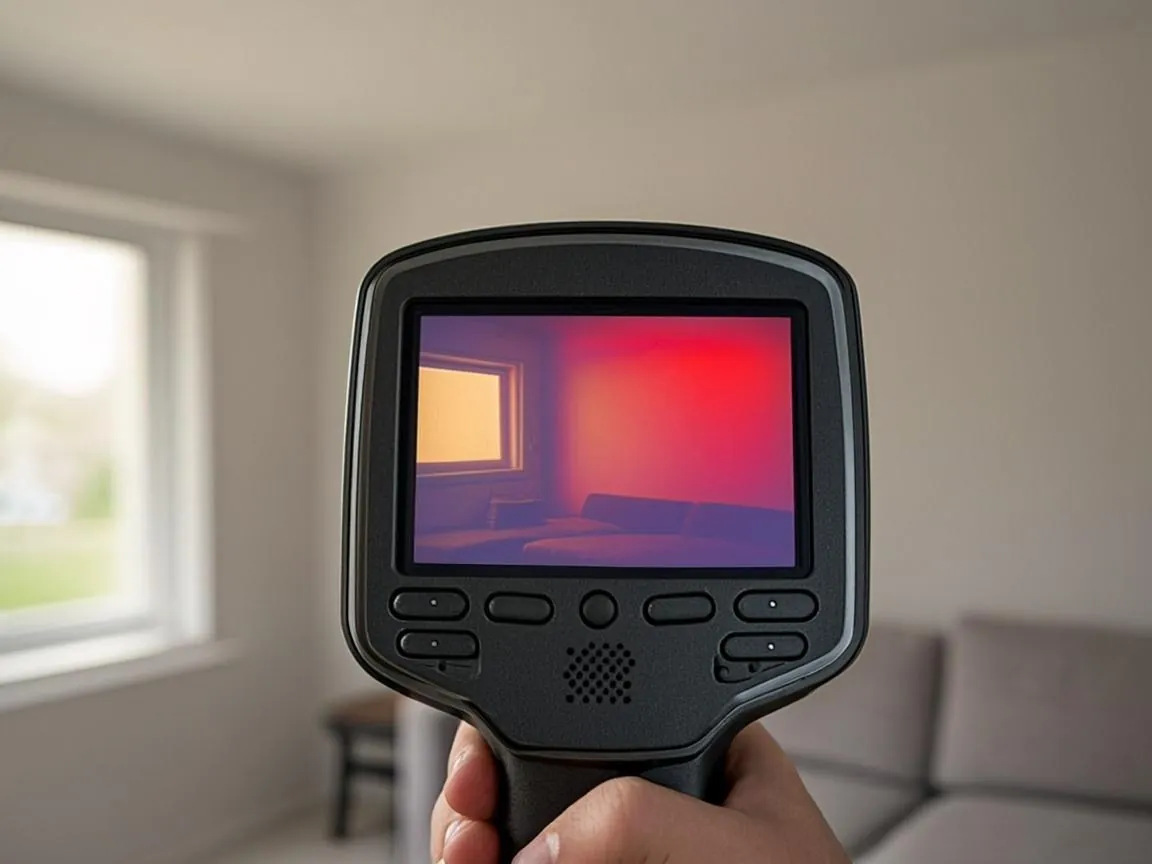
Wherever the house sits, the concrete does the concealing and the instruments do the revealing. The report you receive at the end exists for a practical reason: it turns a suspicion into a documented fact your repair, your insurer if your policy covers it, and your own peace of mind can all stand on.
Why Venice Homeowners Choose Us for Slabs
Two Decades on Gulf-Coast Slabs
Slab work rewards experience with local construction. Two decades of under-slab searches along the Gulf coast put Venice squarely inside the crew's weekly map. Homes of every era have contributed to a working library of failure patterns, and that library is what turns a vague warm patch into a marked point on the first visit.
Find It, Prove It, Then Quote It
The find-it-first process keeps instruments ahead of tools. Nothing opens until independent methods agree, and the marked location arrives with its evidence attached. You see the readings, hear the acoustic hits, and receive the written summary, so the repair conversation starts from shared fact. Suspicion never earns a hole in your floor.
Someone Answers at Any Hour
A slab leak discovered at night does not have to wait for daylight. A dispatcher picks up at (941) 337-1250 whatever the clock says, logs your symptoms, and sets clear expectations for the visit. When water is actively moving under a floor, an answered phone and a scheduled survey are the two fastest ways to stop the meter from running.
Warm floors and whispering pipes do not fix themselves. Book slab leak detection Venice FL service, and trade the wondering for a marked, measured, documented answer.
Related Services
The adjacent services below carry this job forward:
The Same Service in Nearby Communities:
Frequently Asked Questions
Is a warm spot on my floor always a hot water slab leak?
It is the leading suspect, but not the only one. Sun exposure, heating elements, and even a pet's favorite nap spot can warm a patch of floor. The survey settles it: thermal imaging shows whether the warmth traces a pipe path, and line isolation confirms whether the hot side is actually losing pressure. Evidence first, conclusion second.
What actually causes a slab leak?
The honest list is unglamorous: worn pipe walls, failed joints, settling soil, and materials simply past their prime. Concrete is a demanding environment, and decades of load, moisture, and thermal cycling test every buried run. Beware of anyone who names a single villain before instruments touch your floor. Verified location matters more than theory, because location drives the repair.
Does the detection fee apply to the repair cost?
No, the survey is its own service with its own deliverable: a confirmed location and written findings. Repair pricing is built from that finding, which is what makes the quote precise instead of a guess, and the opening gets planned once, not twice.
Will finding the leak require breaking my floor?
No. Detection is designed to locate the leak before any opening happens, using thermal imaging, acoustic listening, and pressure isolation instead. The floor stays intact through the survey. If repair follows, the opening is planned at the confirmed spot as the smallest practical access, which is a very different project from exploratory demolition.
Does insurance usually pay for slab leak detection?
It hinges on the policy you carry, and policies split on both detection and repair. What helps in every case is documentation: a written report naming the leak's location, the readings that confirmed it, and photos of the evidence. We provide all of it, so whatever your policy allows, the claim conversation starts with facts.
Find the Slab Leak First
Thermal and acoustic tools pinpoint the leak before a single tile comes up.