Slab leak detection North Port FL calls usually begin with a feeling underfoot: a warm patch on the floor, the sound of water moving where nothing is on, or pressure that keeps slipping. Water hiding beneath concrete makes guesswork expensive and evidence cheap. This page explains the signals worth watching, the causes in neutral terms, and what happens after a leak is confirmed.
Signals Worth Taking Seriously
Under-slab leaks rarely announce themselves directly. Watch for these tells, especially when several show up in a single week.
- Warm areas on the floor, noticeable in bare feet
- A running-water sound while every tap and appliance sits off
- Water pressure that drops without a utility explanation
- A bill that climbs while habits stay the same
- Damp carpet, warped flooring, or baseboards swelling near the slab
- New hairline cracks spreading through floor tile
Any single sign can have an innocent explanation, which is exactly why testing beats assuming. A hot water line under a slab tends to announce itself as warmth first; a cold line more often shows up as pressure loss or a bill.
What Causes a Slab Leak, Answered Neutrally
North Port Utilities serves the addresses it connects, with availability varying by area across a city this large, and the city meter that comes with service is the first instrument a slab investigation borrows. Causes are described plainly, without blaming any single villain. Pipes degrade as they age, joints can fail where materials meet, ground can settle and shift load onto buried runs, and older materials simply wear out. Most under-slab failures trace to some combination of those factors, and the honest answer is that the pipe itself shows which ones applied once it is exposed.
Ground conditions deserve a fair word here. Any buried pipe lives in soil that can shift a little over the years, which is why settlement appears on the cause list without being blamed as the lone driver. Aging materials are the quiet constant, and housing eras across North Port vary widely enough that age alone never settles the question.
How Detection Works Under Concrete
Slab leak detection North Port FL visits follow a disciplined order, because each step narrows the search the next step inherits.
- Baseline checks. The meter is watched with fixtures off, confirming that water is genuinely moving somewhere in the system.
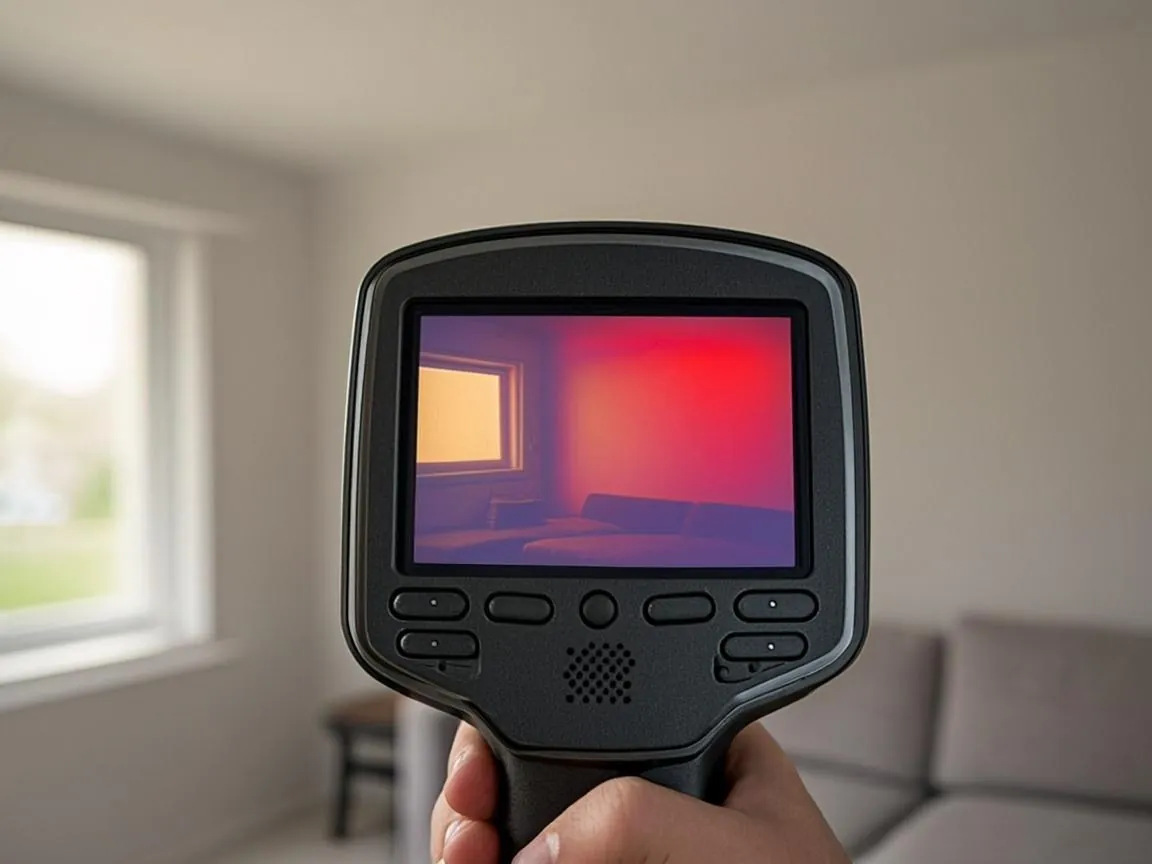
- Thermal scan. An infrared camera maps temperature patterns across the floor, flagging where a hot line may be losing water.
- Acoustic survey. Ground and surface microphones listen for water escaping pressurized pipe beneath the slab.
- Pressure isolation. Hot and cold lines are tested separately, and sections are isolated until the leaking run is named.
- Documented location. The visit ends with the leak marked, the evidence recorded, and the repair route written down.
After the Leak Is Found: Two Repair Routes
Detection ends with a decision, and it helps to know the paths in advance. Spot access opens the slab at the documented defect and repairs that stretch of line directly. Rerouting abandons the failing under-slab run and carries the line overhead or through walls instead, which suits runs that have failed more than once. Both routes are repair work handled through our water leak repair service, and either choice starts from the same place: a documented location and pressure-tested conclusions.
Geography note for the record: North Port is a Sarasota County city that runs its own utilities, so both the county and the city appear in any responsibility conversation.
What Slab Leak Detection Costs
Most searches fall between $175 and $575, with the range reflecting how many systems need testing to isolate the run. Repair work is priced per case once the leak is located, since slab depth, pipe material, and the choice between spot access and rerouting all shape the scope. Findings come before figures, every time.
Why a Slab Scare Belongs With Sarasota Leaks
Two Decades of Listening to Slabs
Experience under concrete is mostly pattern recognition. Acoustic and thermal searches beneath Florida floors have been this crew's trade for over twenty years, and North Port gets truck time every week. Houses differ mainly in finish, and the way water sounds through a slab does not change from street to street. That familiarity shortens every search it touches.
Proof You Can Hear and See
Findings arrive as evidence rather than adjectives. Meter readings, thermal images, and acoustic signatures document the location before any repair conversation begins, and the written summary spells out which line failed and where it sits. Decisions made on that record tend to hold up, and the record itself stays useful for years afterward.
Around-the-Clock Response
Slab leaks damage floors on their own timetable, so live dispatch runs 24/7 at (941) 337-1250. A caller reaches a person who takes down the symptoms and gets a technician rolling, day or night. With a city footprint this wide, an early call is the cheapest tool on the page, because damage that stops early stays cheap.
Warm floors and sliding pressure deserve a real answer while they are still cheap ones. Slab leak detection North Port FL service documents the leak first and the repair second; make the call before the flooring makes it for you.
Related Services
The adjacent services below carry this job forward:
Frequently Asked Questions
Why is my floor warm in one spot?
A warm patch is the classic signal of a hot water line leaking under the slab, since escaping water heats the concrete above it. It is not the only explanation, but it should not be ignored either. A thermal scan and acoustic check confirm or clear the suspicion within a single visit.
Can a slab leak damage the foundation?
Given enough time, yes. Water moving under a slab can erode soil support, swell moisture-sensitive flooring, and keep materials around the leak damp long enough for mold to take hold. The damage is gradual, which is the encouraging part: a leak found and fixed early usually costs a fraction of one that ran for months.
Do all slab leaks require breaking the concrete?
No. A single defect on an otherwise sound line can often be reached with a small spot opening, while a run with repeated failures is a better candidate for rerouting, which abandons the under-slab path entirely. The detection findings decide which route fits. Neither option starts until the leak is documented and the choices are on the table.
Does homeowner insurance cover slab leak repair?
Coverage hinges on the policy you carry, and policies split on sudden versus long-term damage. Many homeowners review their documents or ask their carrier what documentation helps a claim, which is another reason the written findings from detection matter. No one on this page can promise an outcome; your policy language decides.
How do you tell a slab leak from a yard line leak?
The systems get tested separately. Pressure isolation and meter behavior show whether water is being lost inside the structure or out along the service line, and acoustic tools sound different over slab than over open soil. Splitting the possibilities this way is what keeps repairs from happening in the wrong place.
Find the Slab Leak Before It Spreads
Warm floors, running water sounds, or a bill spike all deserve a same-day look.